

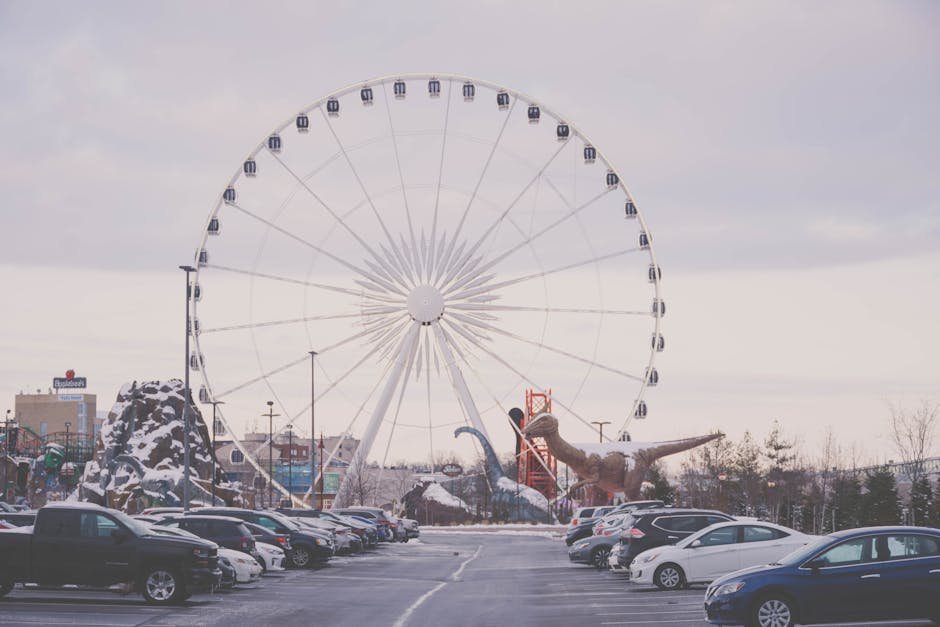
If you’ve been following amusement park news, you’ve probably heard some rumors about Six Flags shutting down. With all the talk about financial trouble, dropping attendance, and a huge company merger, it’s easy to get the wrong idea. Let’s break down what’s actually going on with Six Flags and why, even with all its recent headaches, the company isn’t packing up anytime soon.
What Is Six Flags Up To Now?
Six Flags isn’t a small player. It’s one of the best-known amusement park chains in North America, with some legendary roller coasters and a reputation for affordable thrills. But 2024 was a huge year for change—they merged with Cedar Fair in a deal that brought together 42 different parks under one umbrella.
If you’re picturing this as two competitors joining up just to stay alive, it’s not quite that dramatic. But the merger wasn’t just a fun business experiment. Six Flags needed new answers to old problems: dropping visitor numbers, more competition, and keeping up with massive parks like Universal or Disney.
Cash Crunch: Attendance Drops and Tight Wallets
Over the last couple of years, Six Flags hit a real speed bump. In 2025, overall park attendance took a nosedive that spooked both fans and investors. Higher ticket prices played a role—aimed at improving revenue per visitor, but often pricing out regular families who just can’t swing $100 per ticket (plus food, parking, and souvenirs).
Visitors cut back on things like meals and branded T-shirts once inside the gates, too. The vibe has changed since big competitors—like Universal with their Epic Universe project—stepped up their game and started drawing away some of Six Flags’ core audience.
Let’s Talk About Debt (Yes, Again)
Here’s the thing with theme parks: making them better costs a lot of money. Six Flags, already no stranger to debt, took on another billion dollars recently. They didn’t just do it for fun. Most of that cash is going toward new rides, better food, and changes they hope will drive more visitors in 2026.
Debt is a sore spot for Six Flags. Some people remember how rough things got in 2009, when they had to file for bankruptcy because bills outran revenue by a wide margin. Back then, they got through with major restructuring and a focus on bigger, better attractions. The situation is not at that level now—but the pressure is back on.
Merger Growing Pains
Bringing together Six Flags and Cedar Fair into Six Flags Entertainment Corporation seemed smart at first glance. Now they oversee everything from the original Six Flags Over Texas to parks like Knott’s Berry Farm. With so many parks, there’s plenty of overlap and room to trim costs—central office jobs, tech systems, apps, and so on.
But real life isn’t as smooth as it looks on a spreadsheet. 2025 was flat-out rough, making it harder to fund upgrades and standardize new options across all parks. Some Cedar Fair perks, like festival-style dining, haven’t landed everywhere yet. Rolling out things like a shared season pass or new characters—like Peanuts at Six Flags parks—also takes time and money.
Tough Choices: What to Buy, What to Leave Behind
One interesting moment this year came in January, when Six Flags had to decide whether to fully buy up its original park, Six Flags Over Texas. The company had a call option to finish this big purchase—but with financial priorities so tight, they decided to walk away rather than add another $400 million in debt.
Still, they did buy out Six Flags Over Georgia. It’s a balancing act, and you can see why fans might worry. When companies say “we’re optimizing our portfolio” and start skipping buyouts, people wonder if less profitable parks are at risk of being closed or rebranded. This isn’t an idle fear—Six Flags did basically the same thing before the 2009 bankruptcy, trying to focus on their most successful parks while letting weaker ones wither.
Optimizing the Park Line-Up
If you follow theme parks, you’ve probably noticed some chains are happy to sell or close underperforming parks in tough times. Six Flags hasn’t announced any park closures, but the chatter is louder than ever. Some industry watchers think certain older or less popular parks could see a new name, fewer big rides, or in the most extreme cases, be listed for sale.
The real rub: these cuts can help short-term finances, but if done badly, they risk shrinking the brand and disappointing loyal fans. Last time Six Flags made big cuts like this, the fallout took years to fix.
2026: A Big Bet on a Comeback
So, how is Six Flags planning to avoid the mistakes of the past? The company is calling 2026 the turnaround year. They’re returning to more family-friendly, affordable season passes—an attempt to get more people in the gates, not fewer. That’s a reversal from the “premium ticket” approach that hurt attendance.
They’re also talking up new “marquee” rides—think viral video-worthy roller coasters and thrill rides. Six Flags has always known how to get fans talking, and the right new ride can sometimes bring in crowds that stick around for the food and merch.
On the food and drink side, Six Flags wants to level up to Cedar Fair’s style, which is all about fun festivals, better food stands, and creative snacks. The logic: when people feel like they’re at a special event, they spend more and have a better time.
Everything here is aimed at one big goal: start bringing in more cash than they’re spending, and break out of this cycle of debt and slow growth.
How Is the Merger Supposed to Help?
With so many parks, there are chances to share systems, marketing teams, and even rides across places that used to be competitors. For example, using beloved characters from Cedar Fair (like the Peanuts gang) at traditional Six Flags locations. Standardizing the ticketing system and app could also make visits smoother.
But merging these two cultures and brands is no small job. Big companies always talk about “synergy,” but it often takes years for the potential savings or revenue bumps to actually show up on the balance sheet.
What Are Fans Worried About?
If you read any Six Flags fan site or browse Reddit, one question keeps coming up: Will my favorite park close? There’s no official plan to shut down parks right now. Six Flags leaders keep saying the company is focused on making the parks work, not walking away from them.
The anxiety is partly justified, since amusement park chains have closed locations before when money got tight. But for now, the focus is on fixing problems, not taking down gates for good. That said, certain parks with low attendance or older rides will probably keep seeing rumors and speculation until things turn around.
How Six Flags Survived Before
If you’re the kind of person who likes to look at company history, you’ll know Six Flags isn’t new to tough times. Coming out of bankruptcy in 2010 wasn’t easy, but they managed it by tightening up operations, cutting costs, and adding must-see rides.
So while 2026 is another reset year, there’s reason to think the company could pull through—if the merger plans work and visitors start flocking back.
The Real Take: Is Six Flags Going Out of Business?
Let’s be clear: Six Flags is not shutting its doors or going out of business in 2026. The company definitely faces major financial challenges, and if the new plans flop, things could get worse before they get better. But there are no signs of bankruptcy or park-wide closure on the table.
The story now is really about whether new attractions, cheaper passes, and upgraded food can bring families and thrill-seekers back. Investors, fans, and employees are all watching to see what comes next.
If you want to know more about how businesses remodel their strategies in tough times, you might be interested in how other companies have survived shakeups—there’s lots to explore at this website.
So, what’s next for Six Flags? The answer is honestly pretty simple: Work hard, stay practical, and hope that 2026 brings more people, more revenue, and fewer tough headlines. There’s no shortcut, but for now, the coasters are still running—and the company is genuinely working to keep it that way.
