

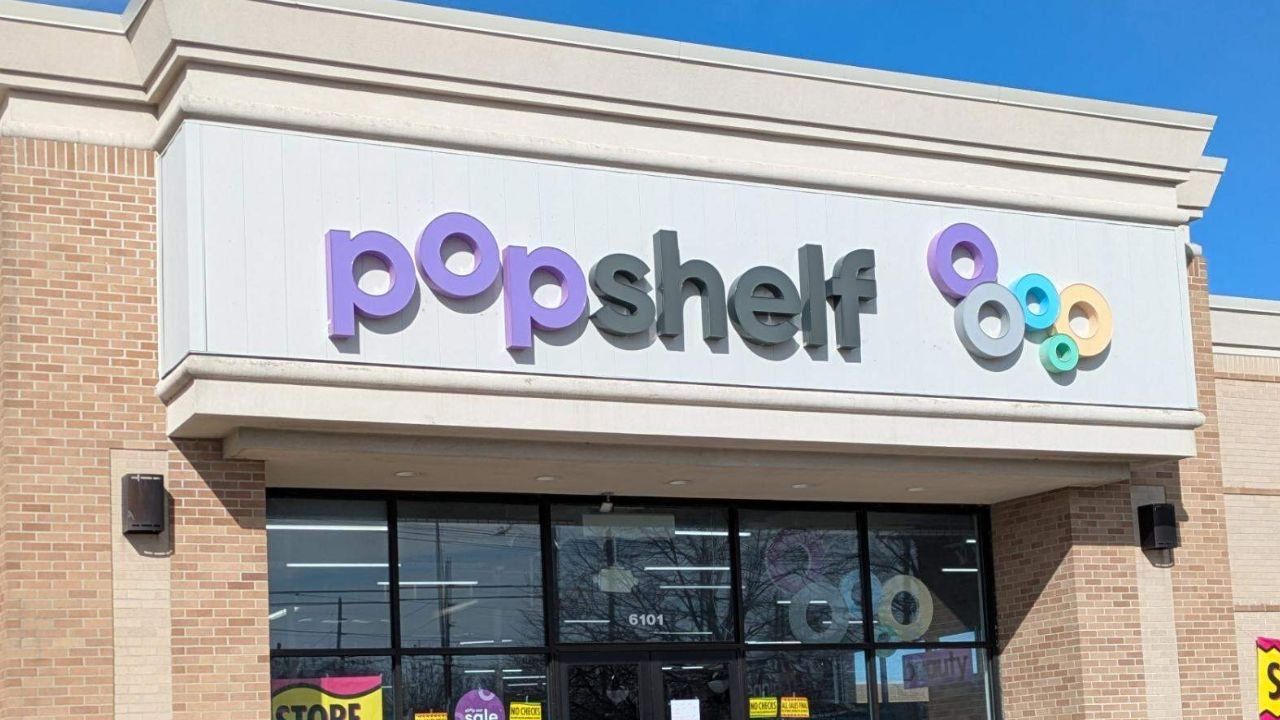
If you’ve walked into a PopShelf store lately or caught some chatter on social media, you’ve probably seen people wondering if PopShelf is going out of business. The rumors started swirling in early 2025, after some news about store closures and changes at their parent company, Dollar General. But here’s what’s actually happening and why it’s not as straightforward as some headlines make it sound.
What Is PopShelf? A Quick Background
PopShelf is a relatively new name in retail, launched by Dollar General back in 2020. The idea was to offer shoppers a brighter, trendier, and more upbeat shopping experience — think lots of seasonal home décor, small kitchen gadgets, craft supplies, and affordable beauty finds, usually priced around $5 or less.
Unlike Dollar General, which mainly targets smaller towns and budget-focused shoppers, PopShelf aims for suburban women in their mid-40s, especially those with middle incomes between $50,000 and $125,000. The stores also try to connect with college students and single women in their 30s and 40s who enjoy affordable “treat yourself” finds.
But, even with that clear vision, PopShelf hasn’t been immune to bigger changes in retail.
Why Are People Saying PopShelf Is Going Out of Business?
The rumors mostly started in March 2025. Dollar General, PopShelf’s parent company, announced a plan to close 45 PopShelf stores (right around 20% of all locations at the time) and convert another six to standard Dollar General stores during the first quarter of 2025. This announcement came alongside plans to close 96 Dollar General stores too. So, it’s no wonder people started asking if PopShelf’s days were numbered.
A lot of the confusion comes from how the headlines got reported. People saw “PopShelf closures” and “Dollar General to close stores” — then assumed the whole concept was shutting down.
In reality, the company made the decision as part of what it calls a “store portfolio optimization.” That just means they needed to cut back some underperforming locations and focus resources where they see the most growth. It’s a business approach lots of retail chains have to take when the economy gets tight or when discretionary spending cools down.
What’s Behind the Store Closures and Changes?
So why did Dollar General decide to close some PopShelf stores now, after a big initial push to grow? It really comes down to consumer habits. Discretionary spending — money people have left over after bills, rent, and groceries — has been lower in the past couple of years. High prices, inflation, and a bit of uncertainty have made folks pickier about where and how they shop, especially for non-essentials.
PopShelf sells a lot of what stores call “discretionary” items — things you want, but don’t absolutely need. When money gets tight, people cut back on that sort of shopping. This hit PopShelf’s sales harder than Dollar General’s main stores, which focus on groceries and low-cost essentials.
Rather than wait it out and hope for the best, the company looked at all their locations and picked out the ones that just weren’t hitting the right sales numbers. By closing about 20% of PopShelf stores and converting a handful to regular Dollar General locations, they’re hoping to keep the overall brand healthier in the long run.
PopShelf Isn’t Shutting Down — It’s Evolving
Even with closures, PopShelf’s parent company is making real investments in the stores that remain open. They’ve spent time and money on revamping existing shops, introducing new layouts, and testing fresh ideas. In 2025, they rolled out an updated format across all locations. This meant more focus on growing categories customers actually want, like pet accessories (including a self-serve “dog bone bar”), trendy decor, affordable beauty products from big names like Maybelline and e.l.f., and crafty, fun finds.
They’re also leaning harder into digital. PopShelf has launched a customer app designed to make shopping easier. You can browse products, shop for curbside pickup, and even check deals before heading out. A new loyalty program is also scheduled to roll out by the end of 2025. It will give shoppers points, reward perks, and unique offers based on what they actually buy — a move aimed at building regular, repeat visits.
All these moves signal a company trying to keep up with what shoppers want in real time, even if that means shrinking in some places and trying new things in others.
Understanding PopShelf’s Unique Shopper Focus
One important thing to note: PopShelf and Dollar General actually serve different kinds of shoppers, even though they’re under the same umbrella.
Dollar General is usually a go-to for people on tight budgets or folks in rural areas who need quick access to basics. PopShelf, by comparison, tries to attract a customer who wants to browse and discover — someone who’s maybe looking for something to brighten their home, grab a makeup find, or score a quirky gift.
At one point, Dollar General experimented with putting PopShelf “shop-in-shop” spaces inside some of their existing stores. That experiment didn’t last. The two store brands just didn’t attract the same type of shopper, so they scrapped that idea in 2025 and went back to keeping PopShelf stores as stand-alone locations.
If you look at where PopShelf stores are opening, it’s mostly in suburban shopping centers, in neighborhoods with a decent amount of disposable income. They’re designed to feel bright and clean, with a bigger emphasis on “feeling good” purchases than everyday basics.
What’s Happening Inside PopShelf Stores Right Now?
Despite the closures, if you walk into almost any PopShelf that’s still open, they look busy and stocked. The company’s website is also active, promoting new finds, trending products, and deals. You’ll see everything from Maybelline lipsticks to e.l.f. eyeshadows, DIY craft kits, home accents, party supplies, and more on display.
That’s one of the easiest ways to check if a store brand is still operating: Is their website still taking orders, are new products launching, and are app updates still rolling out? In PopShelf’s case, the answer to all three is yes.
They’ve put a lot of attention into the customer experience lately — including organizing product sections by trend or “vibe,” rolling out more seasonal displays, and making sure inventory is actually exciting to window shoppers and regulars alike.
PopShelf’s Future: Slowdown Instead of Shutdown
Back in 2021, Dollar General had big dreams for PopShelf. The plan was to have nearly 1,000 stores by the end of their 2025 fiscal year. That would have been fast growth for any chain. But, like a lot of retail expansions, things shifted as the market did.
By the middle of 2025, PopShelf was sitting at a little over 200 stores, spread across 21 states. That’s about a fifth of the original goal, but it’s still a sizable footprint for a specialty retail concept that only launched a few years ago. Some expansion plans have been put on hold, but the core business hasn’t gone away.
Within Dollar General’s massive network of over 20,000 stores, PopShelf is still a bit of a niche player. But with continued investments in tech, store design, and customer perks, they’re betting on long-term relevance. Companies sometimes scale back and regroup before trying to grow again — and that’s exactly what seems to be happening here.
If you’re curious about how store transitions, expansions, and shifts like these work from a business point of view, you can find helpful explanations at places like Start Business Page, which breaks down retail trends and strategies.
In Short: No, PopShelf Isn’t Going Out of Business
If you’re just wondering what’s up with PopShelf, the answer is pretty straightforward: They’re not shutting down entirely. They’ve closed some stores that weren’t meeting expectations and are focusing resources on locations with better prospects. At the same time, they’re rolling out new tech and updating their stores to keep pace with how people actually like to shop.
Yes, PopShelf has slowed its growth. The retail world is tough right now, and everyone is figuring out how to keep sales healthy when people start cutting back on non-essential buys. But as of now, PopShelf’s website is active, its stores are updating their inventory, and they’re still looking for ways to connect with the customers who have embraced their take on low-cost finds.
If you’re a fan, you can rest a little easier knowing PopShelf isn’t going the way of some other retailers. They’re making changes and trimming their sails — but business is still open, and the “treat yourself” products people love are still on the shelves. We’ll have to wait and see what comes next, but for now, PopShelf’s shopping carts are still rolling.
Also Read:
