

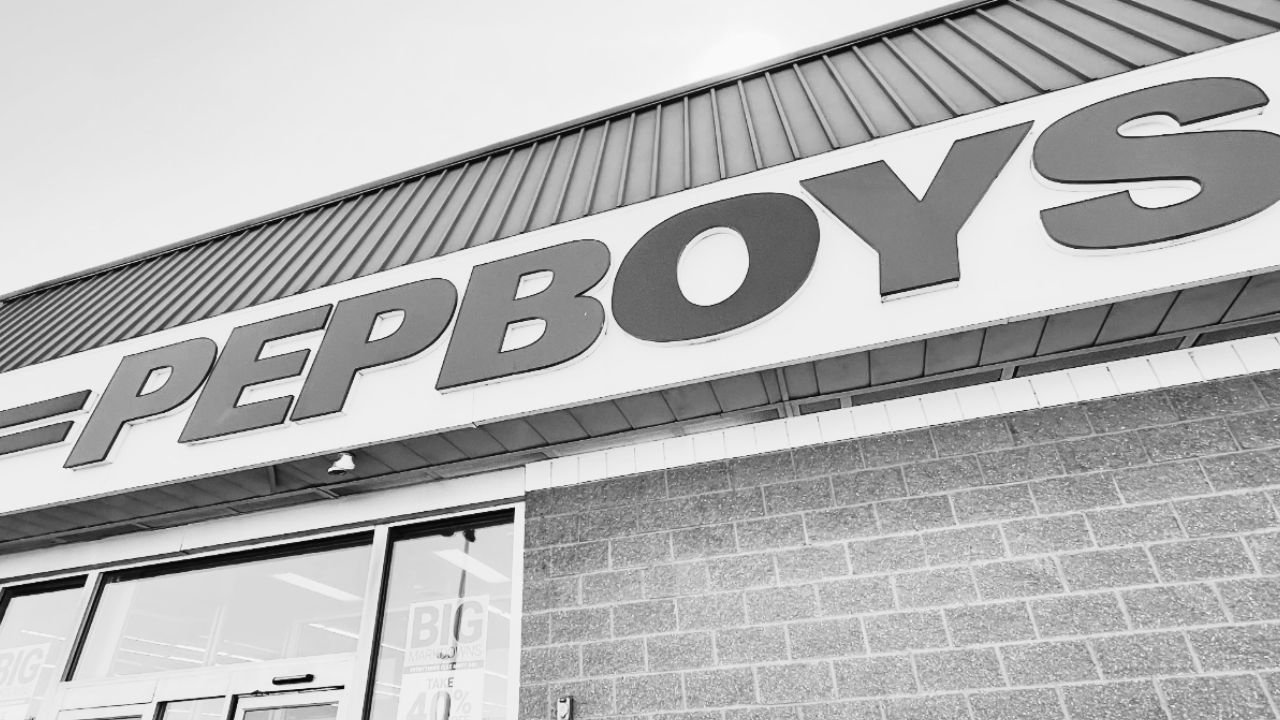
If you’ve searched for auto parts recently or driven by a Pep Boys and seen a “For Lease” sign, it might look like the company’s packing up for good. But despite the chatter online and in local news stories, **Pep Boys is not going out of business**. What’s actually happening is a pretty major shift in what the company offers—and how they’re trying to stay relevant to car owners who don’t do as many repairs themselves.
Let’s break down what’s going on and what it means for you if you’re a customer.
A Shift in Where Pep Boys Is Focusing
Pep Boys has been around since 1921, and for most of that time, it was known as an all-in-one auto shop—think tires, oil changes, wiper blades, and aisles of every part you can imagine. But in the last few years, they’ve decided to double down on the stuff that’s working and let go of the things that aren’t.
The move actually started back in 2016, when Icahn Enterprises bought Pep Boys. Since then, it’s been less about “peppering” every location with parts and more about focusing on repairs, tires, and car maintenance services.
Today, Pep Boys runs over 900 locations in 35 states and Puerto Rico. They’ve kept more than 7,500 service bays up and running. So if your car’s making a weird noise, they’re still there for you. What you won’t find in many places now, though, are shelves stacked with DIY auto parts.
Closing Retail Auto Parts Sections at Many Locations
Here’s where most of the confusion seems to stem from: Pep Boys is closing the retail auto parts sections at a ton of locations. These days, more people are taking cars to shops for repairs instead of working under the hood in their driveway. So, carrying full aisles of spark plugs, brake pads, and headlight bulbs doesn’t bring in as much cash as it used to.
Because of that, the company has started shutting down the parts store sides of many of its locations. It’s not a total shutdown—the service garage stays open, but the retail space is getting leased out or just closed.
To give you a sense of the scale: about 81 storefronts, each ranging anywhere from 6,400 to 15,700 square feet, are now available to lease or sublease in 24 states. These include big car-centric states like Texas, Florida, and Arizona. In a lot of cases, the spots are attached to an operational Pep Boys service garage—so if you want your tires rotated or your oil changed, you can still just pull in.
The California Example: Full Retail Closure, But Service Continues
Nowhere is this clearer than in California. Every one of the 109 retail auto parts stores there is closing down by year’s end (if they haven’t already), part of a recent lease agreement with Advance Auto Parts. The shops are getting taken over for parts retail by Advance, but every Pep Boys garage and service bay next door is staying in business as an actual repair shop.
If you used to shop at your local Pep Boys for brake pads or windshield wipers, you’ll need to look somewhere else now—maybe sometimes just next door with Advance Auto Parts. But if your engine light comes on or you need new tires, Pep Boys is still in business.
“Service Only” Stores and Why That Makes Sense for Pep Boys
Take a stroll into a Pep Boys in almost any big city right now, and you might see big “clearance” posters in what used to be their parts aisles. Locations in states all over have held closeout sales tossing parts stock at 40–70% off, and after that, the aisles are roped off or empty.
That’s because the company’s betting on service—things like oil changes, brakes, tires, alignments, and now even EV maintenance. The strategy is to be the place you go when your car needs expert help, rather than your first stop for spark plugs.
The company has said it straight out: fewer folks are buying auto parts to do the work at home. It’s a national trend, not just a Pep Boys problem. So, Pep Boys is leaning into services that actually make them money, instead of fighting for pieces of a shrinking retail pie.
No Bankruptcy, No Nationwide Shutdown—Just a Pivot
Some folks have posted online or called local news outlets worrying these closures mean Pep Boys is heading for bankruptcy. But from everything I’ve seen, that’s not the case.
Pep Boys and its parent company have made it clear—they’re not shutting down their full operation, and there are no bankruptcy plans in sight. They’re actually investing in staying open and competitive in the long run, just with a different business model.
How Icahn Enterprises Changed Pep Boys’ Direction
A lot of this pivots back to when Icahn Enterprises bought Pep Boys in 2016. At the time, Pep Boys was kind of caught between being a parts store like AutoZone and a garage like Jiffy Lube. After the $1 billion acquisition, Icahn set out to focus Pep Boys more narrowly—service, tires, fleet maintenance, and repairs, not parts retail.
Icahn also runs other auto companies, so it makes some sense: serve fleet customers, provide trustworthy repairs, and skip the costly stockpiling and competition of the retail parts business.
They’ve even rolled out an internal “Race to 2026” program to upgrade operations. That means better training and tools for mechanics, updates to locations, and a total rethinking of what their stores look like and how customers interact with them.
Investing in the Future—Not Just Cutting Losses
One of the things that stands out here is that Pep Boys isn’t just slashing costs and running for the exits. Instead, they’re spending money on new service trends that could actually help them grow over the next few years.
For example, they’ve started training mechanics on electric vehicles (think Teslas and hybrids), which is pretty smart as more of us get EVs on the road. They’ve also started offering mobile mechanics—a van will show up at your home for certain routine services—and are developing digital scheduling and diagnostic tools so customers can do more from their phones than ever before.
The new company motto is “We go further to help you go farther,” putting the focus squarely on helping customers get their cars fixed without the headache.
Why Ditch the Retail Auto Parts Biz?
You might wonder, why cut out so much retail when companies like AutoZone or O’Reilly still seem to do fine? Pep Boys, like a lot of other businesses, was seeing less and less business from folks fixing cars themselves. Big chains like Walmart and Amazon dominate retail parts—and shop owners who need bulk go straight to specialized suppliers.
Retail auto parts can have high profit margins, but if people aren’t buying them in big numbers, the cost of keeping stock, updating inventory, and training floor staff quickly outweighs the upside.
Pep Boys figured out that focusing on tires and repairs, not tail lights, would keep them more profitable—and more likely to survive in a fast-changing car industry.
What People Are Saying in Forums and Local Communities
If you look at car forums, Reddit threads, or Facebook groups, people who used to buy parts at Pep Boys are disappointed but mostly unsurprised. Some mention how you can now get the same brake pads delivered to your house by Amazon in half a day, often cheaper.
Others have pointed out that the service-only transition could mean higher labor costs now that you can’t do your own work as easily. Folks who always preferred to fix their cars themselves are less happy, sure—but average drivers just looking for quick tire repairs or state inspections will probably notice little change.
In some towns, seeing the Pep Boys parts section closed off has worried folks that the chains are disappearing. But those conversations usually end with people realizing there’s still a steady stream of oil change customers and maintenance jobs coming in at the garage side.
Is This Strategy Working?
It’s still early to know if this will make Pep Boys a powerhouse again, but they don’t look like they’re vanishing anytime soon. The company is focused on delivering services most of us now need, rather than fighting a losing battle against cheap big box stores and e-commerce giants.
If you’re thinking about changes in your own small business or maybe have a side hustle in auto repair, it’s worth thinking about how Pep Boys is handling their pivot. For tips on repositioning your own company or handling big market shifts, resources like Start Business Page can be really helpful for staying ahead.
What’s Next for Pep Boys?
So, where does that leave Pep Boys for 2024 and beyond? In most cities, you’ll still see the same red and yellow logo—and as long as there are cars needing brakes or flat tires, there will probably still be Pep Boys service centers.
But don’t expect to walk in and grab car wax or headlight bulbs anymore. If you need a repair, you’re good. If you need a new thermostat for your Civic, you’ll have to go elsewhere.
The company is betting on services over stuff. And for now, it looks like that’s what customers want most.
Final Thoughts
The main takeaway is this: Pep Boys is not going out of business. They’re just not in the business of selling auto parts to walk-in customers anymore. The company’s service bays and tire shops are open, staffed, and ready for your next oil change or brake job.
Is the “auto parts store” Pep Boys gone? Pretty much. But the garage is alive and well. And if you’re like most car owners—less interested in swapping out your own alternator—that’s probably good news.
Also Read:
