

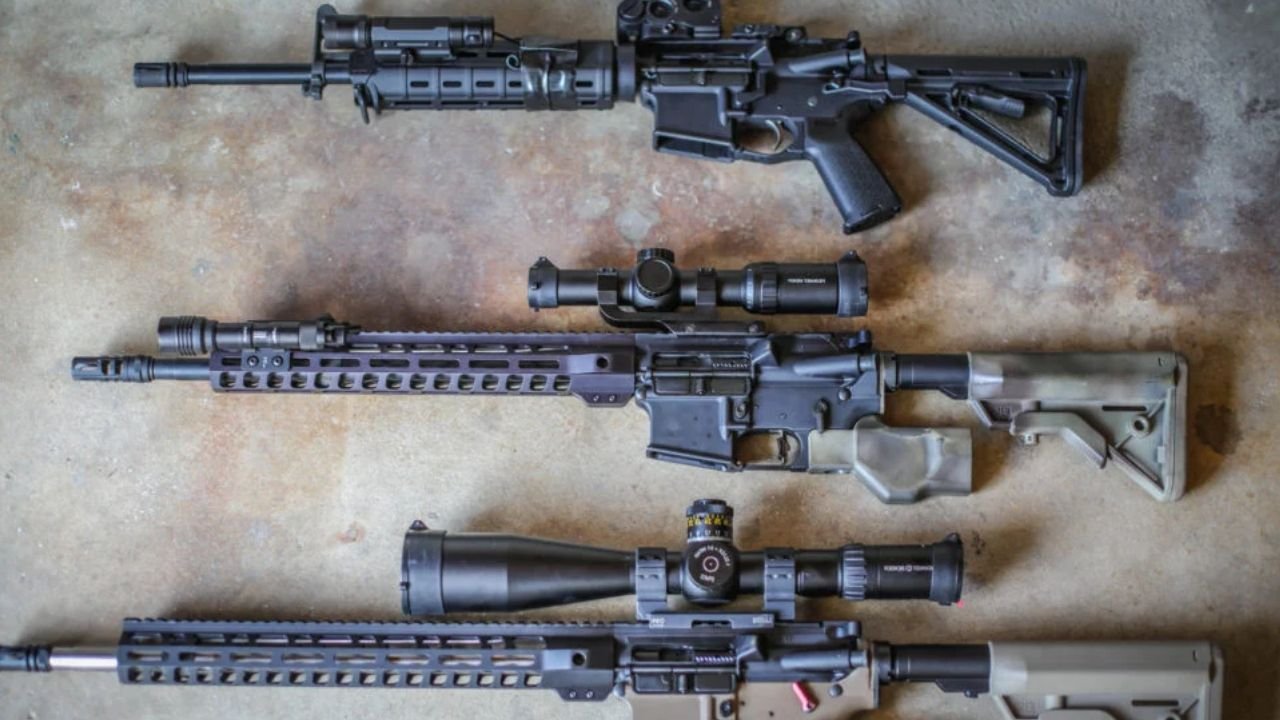
If you spend much time on gun forums or YouTube, you’ve seen the rumors: Is Palmetto State Armory (PSA) closing up shop? You might hear someone mention a “shakeup” or suggest PSA is struggling. It’s a fair question to ask, especially after so many well-known firearm brands have either folded or changed hands lately.
So, let’s sort through what’s real and what’s just internet chatter. We’re going to look at how PSA fits under its owner, JJE Capital Holdings, and what recent moves say about the brand’s future.
PSA’s Parent Company: Who Actually Owns Them?
First thing’s first—Palmetto State Armory isn’t some independent gun shop scraping by. It’s the biggest piece of JJE Capital Holdings, a company based in Columbia, South Carolina. If you haven’t heard of JJE, that’s normal. Most shooters interact just with PSA’s online or retail stores, shopping for cheap AR parts or bulk ammo.
JJE holds the purse strings, but more than that, it has a whole strategy built around owning everything from the machines that make gun parts to the warehouses that ship them out. They call this vertical integration. Basically, JJE wants as much control over their supply chain as possible. This means owning companies that do forging, machining, even bullet and powder manufacturing.
It’s a little like how Costco has its own Kirkland brand. If one link in the chain gets squeezed, JJE can fall back on something they own—less risk of a single point of failure.
Why JJE’s Approach Makes PSA Hard to Topple
Every industry gets rough spots. The gun sector’s been especially rocky: supply chain problems, new regulations, sudden drops in demand. Some companies have gone bankrupt or disappeared after decades.
JJE’s plan seems built for this kind of stress. Take Spartan Forge, which does aluminum forging for PSA lowers and uppers. Or DC Machine, which makes smaller, high-precision parts. When supply dried up in COVID times or after political changes, PSA wasn’t left scrambling. They could ramp up in-house production.
It’s not just about metal either. JJE acquired a bunch of brands from Remington Outdoor’s 2021 bankruptcy—names like DPMS, AAC Silencers, H&R Firearms, Stormlake Barrels, and even Parker Shotguns. Instead of letting these brands fade, JJE brought them back online either in the original factories or new locations.
This means when you shop with PSA, you’re buying from a retailer that, in many cases, literally made the part or ammo in-house. That keeps costs lower and helps PSA keep its promise of “ARs for everyone.”
Copycat Closures: Is PSA Next?
Now, if you Google “firearms company bankruptcies,” you’ll see news about others hitting hard times: Remington’s massive collapse in 2021, and smaller shops dissolving in 2025 like Watchtower Firearms or Central Florida Firearms. It’s a tough market.
But I dug through all the filings, interviews, even those “Gun Companies in Trouble” videos that pop up every election year. PSA and JJE aren’t in those lists. There’s not one credible source linking PSA to bankruptcy, insolvency, or closing stores.
There’s also an SEC filing about a real estate investment trust that mentions PSA. But that’s more about retail property sales and doesn’t say anything about PSA’s business health.
What About Those Big Changes at PSA?
So where do these rumors start? Sometimes they pop up when something shifts inside a company—a brand goes offline, a favorite ammo line disappears.
In early 2026, JJE did pause production of AAC-branded ammunition. You can already sense the “PSA is going out of business!” headlines. But if you read the actual announcement, it’s clear: JJE paused the line to focus on making their own gunpowder. With global powder supplies tight, this lets them cut out a risky middle step. The plan isn’t to stop ammo for good—just to come back even more self-reliant.
Other brands picked up by JJE, like AAC Silencers, have actually gotten a reboot. AAC now runs out of Huntsville, Alabama, with upgraded facilities. DPMS and H&R have seen new models and active marketing. These are not the moves of a company preparing to close.
How PSA’s High-Volume Model Really Works
Let’s dig a bit into PSA’s basic business. PSA sells guns and gun parts cheap—often the best deal in the country for entry-level AR-15s or pistol kits. You see those “Daily Deal” emails: AR lower for $39, Glock clone slides for $170. How do they do it? By selling high volume with a lower profit margin per item.
This model depends on two things: keeping production costs down, and moving product fast. With supply chain control through JJE’s manufacturing arms, PSA doesn’t worry as much about sudden price jumps or vendors backing out. They can afford to keep prices lower longer, weathering slowdowns better than smaller gun shops.
This is also why, when competitors fell during supply chain crunches or ammo runs, PSA rarely ran out of key products. They had the warehouse stock—and some of the machinery—locked down from the start.
Risks in the Firearms World, and How PSA Handles Them
None of this means PSA is untouchable. The gun industry is up-and-down by nature. New gun laws at the state or federal level can make whole product lines obsolete overnight. The spike in demand in 2020–2021 isn’t guaranteed to repeat anytime soon.
But JJE’s “operational sovereignty”—owning the manufacturing, the tooling, and the brands—makes PSA more insulated from outside shocks. If the price of steel jumps, they have their own forging setup. If a law hits a certain product, they can shift factories to make what’s legal and in demand.
They’ve even expanded control over ammo by investing in projectile fabrication and powder R&D. When shortages hit, JJE doesn’t have to wait months for shipments from overseas. That’s a big deal when other brands are hanging on by a thread.
So, Where Are All These Layoff and Store Closing Rumors Coming From?
Honestly, much of it comes out of confusion with other brands or misunderstanding of basic business pauses. Some YouTube personalities do breathless takes on “which gun brands are in danger for 2026,” making the rounds every year for clicks. Most of those reports circle around firms like Central Florida Firearms or highlight major bankruptcies like Remington’s a few years back.
PSA just gets swept in because of their size. When a gun shop closes locally, someone wonders “what if PSA is next?” It’s a predictable chain of headlines, but not rooted in facts.
Even a recent online rumor about “inventory liquidations” was more about clearing shelf space for upgraded products or deals on old stock, not a sign of financial meltdown. PSA is quick to clear inventory when they know new models are arriving—that’s how you snag those “blem” ARs so cheap.
If you’re looking to learn more about business strategy and how companies weather tough cycles, there are detailed guides on sites like Start Business Page that break down vertical integration like JJE’s, without the sensationalism.
The Bottom Line: PSA Isn’t Closing Down
With all these pieces in place, what’s the actual story? No, Palmetto State Armory isn’t going out of business. All signs—from parent company growth to continual product launches—show a healthy, aggressive strategy that’s keeping them ahead of most competitors.
Both PSA and JJE Capital Holdings keep finding ways to own as much of their supply chain as possible. This makes their low-cost, high-volume retail approach sturdy even as the gun market gets choppy.
So the next time you see “PSA shutting down” pop up in your feed, you can safely roll your eyes. The company isn’t showing any credible signs of closure. If anything, expect more new product launches and maybe a few more “shocking deal” emails flooding your inbox.
For now, PSA’s future looks stable, if not outright bullish. They’ve managed to steer clear of the pitfalls taking down other brands—at least, that’s what the data says up through 2026. If something real changes, you’ll hear about it, but right now, business at Palmetto State Armory is very much open as usual.
Also Read:
