

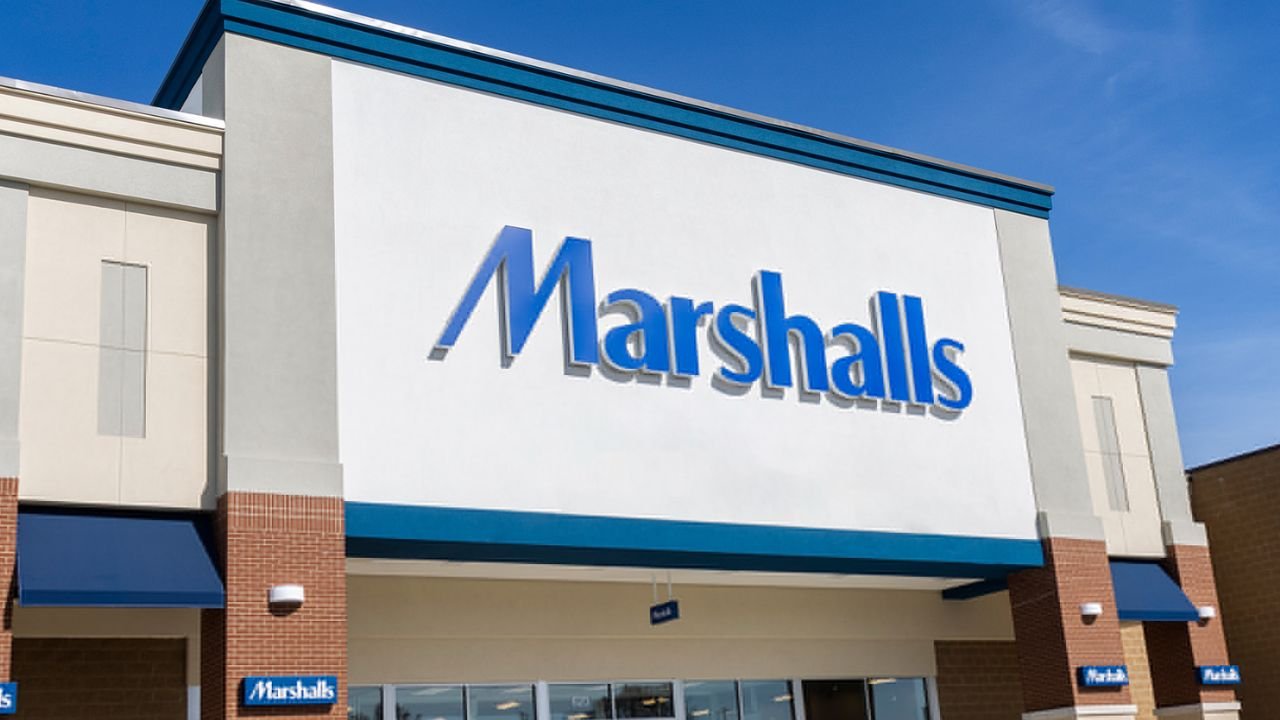
For many of us, Marshalls is that go-to store where you find a surprise bargain or check out home goods after work. With news swirling about brick-and-mortar store closures, there are lots of people asking: “Is Marshalls in trouble? Are they closing all their stores?”
Let’s clear things up. Marshalls is not going out of business. But, as you’ve maybe heard, they recently closed a couple of locations. There’s more to the story than those headlines, though.
Who Owns Marshalls, and Why Did Stores Close?
Marshalls is owned by TJX Companies. You might know other shops in the TJX family, like TJ Maxx and HomeGoods. These brands all follow a similar plan: sell off-price clothes, home stuff, and accessories in physical stores.
Back in early January 2026, Marshalls closed two stores in California. One was the Hollywood spot at 7013 Hollywood Blvd., the other was at 5160 Stevens Creek Blvd. in San Jose. If you shopped at these, you may have run into “Store Closing” signs around the holidays.
A total of 126 people lost their jobs across the two shutdowns, which isn’t a small number. For people working there, it’s obviously frustrating and stressful. But company spokespeople say this was about real estate choices, not a sign that Marshalls as a whole is done.
Why Are Stores Closing Everywhere?
If you’ve been following retail news, you’ve probably noticed Marshalls isn’t alone in shutting sites. Macy’s is working through a plan to close 150 stores through 2027. Other chains like Kohl’s, Forever 21, and Claire’s are rethinking their physical footprints, too.
A lot of this comes down to a few big shifts:
E-commerce keeps growing. More of us buy socks, towels, and even furniture online, and that impacts foot traffic for traditional stores.
Inflation means prices are up on pretty much everything. For some shoppers, that means putting off “just-because” purchases, which can hit stores like Marshalls hard.
Habits are changing. Younger shoppers, in particular, are all about convenience. Browsing in stores isn’t as popular as it was even five years ago.
So, while it’s easy to panic when you see “store closing” banners, know that these decisions often reflect bigger changes in how we all shop.
But Are Things That Bad for Marshalls, Specifically?
Short answer: Not really. TJX Companies (that’s Marshalls’ parent group) is actually doing pretty well compared to a lot of other old-school retailers.
In the last quarter, TJX reported strong sales growth. Their CEO, Ernie Herrman, told investors he’s feeling confident, especially in picking up more market share—meaning, attracting people who used to shop at other, now-shuttered stores.
The point here isn’t to sugarcoat the fact that retail is tough right now, but Marshalls isn’t seeing the collapse we’ve seen with some mall-focused stores.
How Does Marshalls Compare to Macy’s, Kohl’s and the Others?
When Macy’s announced plans to close 150 stores, it made headlines. Some shoppers worried that countless stores would follow. But TJX’s situation is a little different.
Macy’s and Kohl’s are what you’d call “department stores.” They usually anchor malls and offer everything from formalwear to cookware, often at full price (unless there’s a big sale).
Marshalls, on the other hand, is an off-price concept. Their whole model is built on selling leftover items or overstock at cheaper prices, pulling in shoppers looking for deals.
Stores like Forever 21 and Claire’s (which cater more to younger crowds) also cut back square footage after the pandemic. For all of these brands, the story is mostly about adjusting to what works now, not just disappearing overnight.
Just How Many Marshalls Stores Are There?
It’s easy to think a couple big closures mean a company is in decline. But Marshalls currently operates over 1,200 stores in the United States alone. About 150 of those are in California, which is why the two recent closures became such a big story.
In fact, the company is still opening new stores. There are 14 planned for places like Arizona, Florida, Michigan, and other states. So if you like browsing their aisles for pet toys, kitchen gadgets, or discounted sneakers, chances are you’re not losing your local store anytime soon.
TJX isn’t just looking at Marshalls, either. They recently closed a TJ Maxx in Boston but moved workers to other locations nearby. At the same time, they’re scouting for openings in strong markets. It’s all part of a continuous reviewing process.
What’s Going on With Marshalls’ Real Estate Strategy?
It turns out, keeping hundreds of physical stores up and running is complicated and expensive. Rents go up. Neighborhoods change. Sometimes, a location just doesn’t get the traffic it used to, especially if other anchor stores nearby shut down.
A Marshalls spokesperson recently explained that they’re “always evaluating and reviewing our real estate strategies.” That means keeping stores where there’s potential for profits, but also sometimes closing one that no longer fits the plan.
Instead of a big, dramatic set of closures, Marshalls and TJX are aiming for targeted restructuring. If one store isn’t working, they close it and sometimes look for a better spot in the same city.
This approach lets Marshalls hold onto their core shoppers, even if the specific street address changes.
How Is Marshalls Trying to Stay Ahead?
Marshalls, together with TJX, is trying out some new ideas while still relying on its “treasure hunt” shopping style. That’s where you walk in and never know exactly what deals you’ll find.
This method works for lots of people who want to touch and see products in person. But Marshalls is also watching digital trends closely. They’ve tweaked their online presence, but their website is mostly designed to bring people into stores.
Stores in growing cities or suburbs are often targets for new locations. For example, if a certain area sees new housing or shopping centers, Marshalls might pop up nearby, trying to snag those customers.
Others, like those recent California closures, may just not make financial sense anymore. If a store is expensive to run and doesn’t bring in steady crowds, it’s a candidate for closure.
What About Employees Affected by Store Closures?
One thing people often wonder is what happens to the staff when a Marshalls closes up shop. In those two California examples, more than 120 workers were let go. That’s tough, especially in areas where retail work is a main source of income.
In other cases, like the recent TJ Maxx closure in Boston, employees were given options to transfer to other local stores. It’s not always possible, but Marshalls and TJX say they try to keep disruptions for workers as minimal as they can.
Still, the overall workforce is big enough that a couple closures don’t signal a sweeping round of layoffs across the company.
Is Marshalls Likely to Face More Closures?
If you’re waiting for a breaking news headline that Marshalls is calling it quits everywhere, you’ll probably be waiting a while. But more individual closures can’t be ruled out. They’re part of a broader retail pattern.
The company says they’ll continue reviewing their real estate “store by store.” In practical terms, that means the chain will close underperforming sites and look for better opportunities in active shopping areas.
Not every community will lose its Marshalls, and in some cases, new locations may actually open closer to you, especially if there’s high demand.
What Does This All Mean for Retail?
Bottom line: Retail is changing, but Marshalls isn’t vanishing. Old-fashioned shopping has shifted, but off-price chains—especially those with wide selections and changing merchandise—still draw crowds.
If you’re interested in how other retailers adapt, or maybe thinking about opening a business yourself, you might want to check out resources like this simple guide to starting a business. The playing field is different now, but people still want good deals and a fun, in-person shopping experience.
TJX (and Marshalls by extension) is betting on careful expansion and select cuts. They’re not immune to the tech pressures or the squeeze on budgets. Still, they’ve shown that being nimble with store locations—a mix of closures and new openings—helps them avoid the fate of some bigger mall-based brands.
So, What Should You Expect Next?
If you’ve been hearing that Marshalls is about to disappear, relax. Yes, a couple stores have gone dark, mostly due to changing markets and rent. But most Marshalls locations are still running, with more set to open in the coming years.
We’ll probably see more occasional closures as TJX keeps tweaking their real estate strategy, but the bulk of stores and the way people shop for off-price finds seem pretty secure. Bottom line? Don’t rush to spend your Marshalls gift card—the chain isn’t packing up just yet.
Also Read:
