

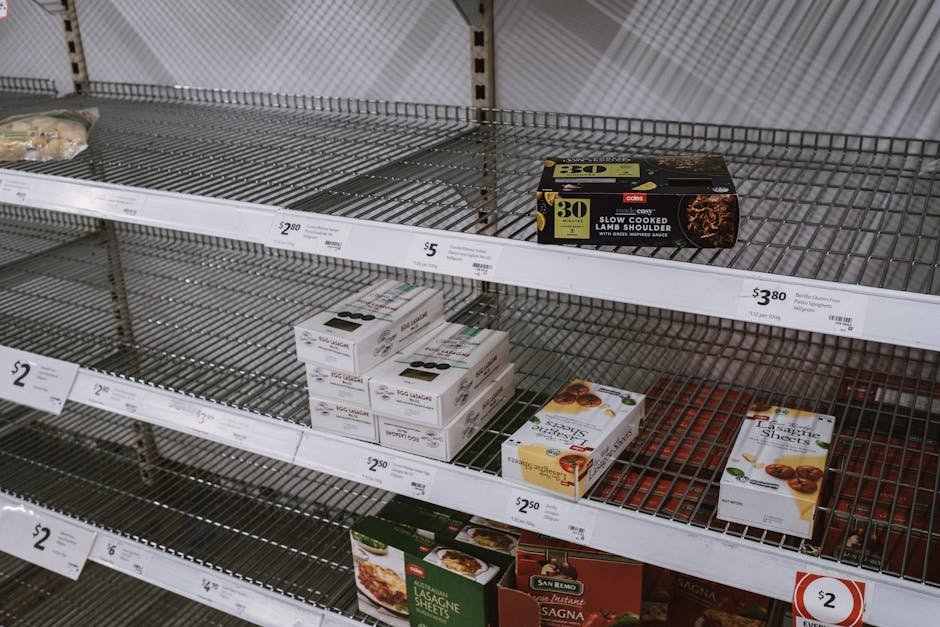
Every few months, rumors pop up about another big grocery chain supposedly closing their doors. Lately, there’s been a lot of speculation about Albertsons, especially after news of its mega-merger with Kroger falling apart. If you’ve shopped at one of their stores or just scrolled headlines, maybe you’ve wondered: is Albertsons actually going out of business?
Let’s talk about what’s really going on with the company, where the rumors are coming from, and why Albertsons is pretty far from shutting down.
The Merger With Kroger: Why People Started Talking
A lot of the recent Albertsons buzz started with their announced deal to merge with Kroger, the country’s second-biggest grocer. The deal would have created a supermarket giant to rival Walmart, but almost from day one, it hit bumps.
Federal and state regulators, including the FTC, raised flags. They said the deal might reduce competition, push up prices, and fail to ensure enough divestitures — basically, store sales — to satisfy anti-monopoly rules. C&S Wholesale Grocers was supposed to buy over 400 stores from Albertsons and Kroger, but regulators weren’t convinced the plan would keep things fair for customers.
By December 2024, the whole thing hit a wall. Judges in California and Oregon blocked the merger. On December 11, Albertsons and Kroger called the deal off for good. So, what does that mean for Albertsons?
Litigation and New Legal Drama
You might think a failed merger spells trouble, but what happened next was a twist you probably didn’t see coming. After the breakup, Albertsons turned around and sued Kroger for breach of contract in Delaware’s Court of Chancery.
They’re asking for billions in damages and the $600 million breakup fee that was agreed on if the merger fell apart. The details are under seal, so nobody outside the courtrooms knows exactly what’s in the complaint, but it’s clear this is going to play out for a while.
Still, launching a big lawsuit doesn’t mean you’re about to go under. In fact, it suggests Albertsons is fighting hard to protect its balance sheet and shareholders.
Managing Merger Debt and Raising Capital
One part of the merger fallout is debt — Albertsons had financial moves ready for closing the deal, and when things changed, it had to adjust fast. In late 2024, the company issued $600 million in new 2033 senior notes (that’s a type of long-term loan). The straightforward goal? Use that money to pay off $600 million in debt due in 2026.
This isn’t a sign of panic borrowing; it’s standard financial housekeeping. Spreading out debt maturities, especially at a time with a lot of big picture changes, is what smart companies do.
Albertsons’ Financial Health: What Do the Numbers Say?
If you’re looking for signs a business is in trouble, you usually see declining sales, layoffs, or turmoil in leadership. So how is Albertsons actually doing?
For the second quarter of its 2025 fiscal year, the company reported a 2.2% growth in same-store sales. That’s grocery-speak for “stores that have been open a year or more.” Maybe even more important, digital sales jumped a whopping 23%.
If you shop online for groceries, you know how much that side of the business matters now. For companies like Albertsons, digital sales aren’t just a nice-to-have. They’re pretty much essential for future growth, especially as habits shift post-pandemic.
There’s more. Albertsons returned $750 million to its shareholders with a major share buyback this past year — a move that generally signals confidence from the board. You don’t do a buyback if you’re low on cash.
Store Activity: Closures, Openings, and E-commerce Focus
Let’s be honest, most people hear “store closures” and worry their local market is next. In most industries, especially retail, closing some stores is just how it works. Albertsons closed 29 stores as of late 2025, but that’s out of nearly 2,300 — so about 1% of its national footprint.
At the same time, Albertsons is opening nine new stores by the end of 2025. They’re focusing on places where there’s growth potential or where e-commerce is taking off fastest.
Most closures? They’re targeting unprofitable, slow-moving locations. It’s normal to cut a few underperformers and invest more in markets where people are actually shopping. Trimming the fat, so to speak, is almost always a good thing for the long-term health of a huge retailer.
We’re also seeing Albertsons invest heavily in its digital offerings. That means better curbside pickup, improved delivery, and smarter inventory. If shopping online for groceries is part of your routine, you’ve likely noticed things move quicker and smoother.
Albertsons Compared to Its Rivals
Seeing a headline about a chain closing a few stores can make things look bleak, but put it in perspective: Kroger, which is actually a bigger grocer, will close more than 60 underperforming locations by the end of 2026. This is an industry-wide trend, not a red flag unique to Albertsons.
Then there’s competition from chains like Aldi, which has been expanding fast in the U.S. Aldi is well known for their no-frills, lower-cost model. As they open more stores, existing players like Albertsons and Kroger have to work harder to keep customers coming back.
No question, the grocery business is tough — thin margins, price wars, and endless logistics headaches. But you don’t see Albertsons, or any major player, just shutting their doors. What you do see are lots of companies making smarter investments, looking to tech, e-commerce, and more focused store strategies to stay in the game.
What About Bankruptcy Rumors or Layoffs?
A real warning sign for a retailer is a wave of layoffs or hints at going bankrupt. With Albertsons, there’s no sign of either. The company hasn’t filed any bankruptcy paperwork, hasn’t defaulted on any loans, and has been making steady investments in tech and store upgrades.
On the jobs side, there’s no record of huge layoffs. In fact, most labor headlines around Albertsons these days are about union negotiations or minimum wage talks, not panic job cuts.
A quick scan of business news and investor updates shows nothing pointing to mass closures or a liquidity crisis. Instead, Albertsons talks up improving productivity and working on digital expansion plans.
Why the Rumors Keep Popping Up
It makes sense why people stay curious (or get worried) about Albertsons and other grocers. Grocery chains play a huge role in many communities — one big closure leaves a lot of empty shelves and angry customers.
Plus, mergers in the grocery business almost never go through quietly. When a deal falls apart, some folks expect one of the companies must be in trouble. But in this case, it’s more about regulators stepping in than anything Albertsons did wrong operationally.
If you browse business forums or comment sections, you’ll hear local rumors about a store closing or a building sitting empty. The reality is, every big company trims a few stores here or there. It doesn’t mean financial meltdown.
The Grocery Sector: Tighter Competition, Shifting Strategies
Across the industry, we’re seeing big and small chains adjust quickly. The pandemic made e-commerce a must, not a “someday” project. Companies like Kroger, Walmart, and Albertsons keep fine-tuning their digital systems.
Rivals like Aldi are grabbing more market share thanks to lower prices and smaller footprints. That challenges conventional stores to slim down and move faster. It’s not just who can stack the most items on the shelves, but who can get your groceries into your trunk or onto your porch cheapest and quickest.
At the same time, grocers are experimenting with new formats. Smaller stores, special diet aisles, and hybrid in-person/online models are popping up. Albertsons is squarely part of this shift, which is a good sign they’re thinking long term.
No Signs of Mass Closure or Crisis
So, is Albertsons going out of business? No, not even close. The numbers tell a different story. There’s growth in same-store sales, big jumps in digital business, and steady investment in what comes next.
Stores may close here and there — that’s not news in grocery retail anymore. What matters is whether the company can invest, adapt, and keep serving its customers in new ways. And so far, Albertsons is covering those bases.
In fact, if you’re thinking about launching your own business or just like learning how companies survive shake-ups, definitely check out Start Business Page. There you’ll find resources on managing transitions, winning changes, and keeping grounded when everyone else is yelling crisis.
So, What Should Shoppers Expect Next?
For shoppers, not much changes. You’ll keep seeing Albertsons and its brands in your neighborhood. You might notice the online pickup lane gets busier, or a new store opens across town as another older one quietly closes.
Unless you see your specific location on the list for closure — which is still pretty rare — Albertsons is likely here to stay. Watch for more digital upgrades and maybe a few local tweaks as they compete with everyone from Aldi to Amazon.
Business headlines can make anything sound more dramatic than it is, but here’s the takeaway: Albertsons is weathering the merger storm, staying profitable, and playing for keeps in a super-competitive sector. If anything changes, we’ll be right here to break it down for you — minus the panic.
Also Read:
