

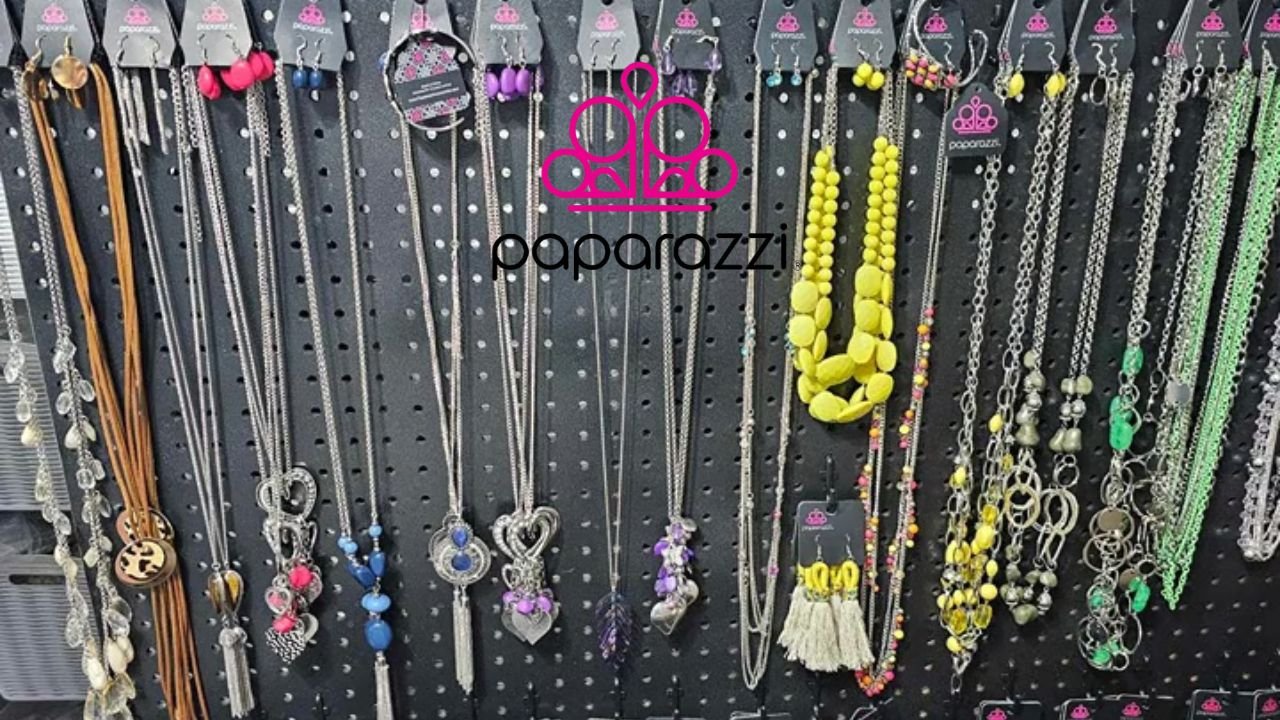
Paparazzi Jewelry, officially Paparazzi Accessories, LLC, has built up a strong following since launching in Utah back in 2011. The company is known for its affordable $5 jewelry and its network of independent consultants who sell directly to customers. Along the way, a lot of concerns and rumors have cropped up about its future—especially with recent price changes, legal settlements, and tweaks in how it operates. So, is Paparazzi Jewelry actually going out of business, or is it just another rocky patch of business as usual?
Let’s take a close look at the company’s latest business moves, its legal situation, and what’s really happening behind the scenes. If you’re a consultant, customer, or just an observer wondering about Paparazzi’s fate, here’s what you’ll want to know.
Staying Legal: Recent Moves to Clean Up Claims
A big piece of news for Paparazzi Jewelry came in September 2025 with a review by the Direct Selling Self-Regulatory Council (DSSRC). The DSSRC keeps watch over companies that use direct selling, like Paparazzi, to make sure they don’t break advertising rules or make wrong claims—especially around earnings.
In this case, the council found 12 old social media posts from Paparazzi consultants promising things like “financial freedom,” “unlimited income,” and six-figure earnings. We’ve all seen stuff like that floating around—sometimes it’s hype, sometimes not. Paparazzi worked quickly with the DSSRC to either delete or fix those posts and also sent out new guidelines to its salesforce to help keep future claims in check.
With these changes made, the council closed its investigation, saying the company acted responsibly and there was no need for further action. That’s important because usually, a firm in real trouble won’t be able to work so openly or make such systematic changes. Instead, they might go silent or have a bunch of leadership changes. So, this move shows Paparazzi is still actively managing its business and responding to regulatory demands.
A $1.9 Million Legal Settlement and What It Means
Not long before the DSSRC episode wrapped up, Paparazzi agreed to a $1.9 million settlement and changes to its business practices after being accused of running a “pyramid scheme.” For folks outside the industry, pyramid scheme is a loaded phrase—usually used when a company is accused of paying people mainly for recruiting others rather than for selling actual products.
In Paparazzi’s case, the company did not admit guilt, but agreed to pay and correct its practices. That could mean extra oversight, new training, and limits on how consultants talk about earnings or incentives. If this had been a truly catastrophic legal blow, you’d expect the company to announce layoffs, bankruptcy, or even a plan to wind down operations. None of that happened.
Instead, Paparazzi continues to operate, ship orders, and sign up new consultants. The settlement, while expensive, looks more like a reset than a last gasp. For anyone watching the industry, this kind of legal deal is not unusual—think of it as a costly but survivable business storm, not a fatal one.
Price Hikes: Why Are $5 Pieces Now $8?
One of the biggest shocks for Paparazzi consultants in 2025 came when the company raised prices on its signature items. For years, the “$5 jewelry” tagline was its claim to fame—offering fun, fashionable necklaces, bracelets, and rings at a price almost anyone could afford.
But by mid-2025, those $5 pieces started selling for $8. Fashion fix boxes and those special Z collection necklaces went up to the $25–$35 range. Starter kits also cost more, and Paparazzi unveiled stricter controls on how consultants sell inventory.
Why change something that’s working? It comes down to rising business costs. The jewelry industry has seen material and shipping prices shoot up. The cost of running a big supply chain is higher than it was five years ago. Paparazzi’s leadership likely decided that a price hike was necessary to maintain profits and keep its consultant network afloat.
And here’s a telling point—when the new pricing was announced, Paparazzi actually told sellers it might be smart to buy inventory before the price hike, since the value of their stock could rise. This is the kind of advice a company gives when it expects to stick around long-term, not one preparing to close its doors.
Sales Force Still Active—No Major Shutdown Signs
So, how do you really know if a multi-level marketing company like Paparazzi is about to shut down? A few telltale signs are easy to spot: mass consultant layoffs, missed commission payments, product supply issues, or waves of negative news about closures or bankruptcies.
With Paparazzi, we’re seeing pretty much the opposite. Their website is still live and being updated with new products. They’re running promotions and alerting consultants about policy changes and new inventory. Social media channels and private consultant groups are busy, with people actively buying and selling.
You’d also expect chatter about warehouses closing, shipping delays, or people not getting paid if the business were in real trouble. But there’s no credible evidence of any of that happening. If anything, consultants are more focused on how to adjust to the new prices and sales rules than on rumors of a shutdown.
Adapting for Survival: This Is Typical for Direct Sales
It’s natural to question the future of a business after a legal settlement or price hike, especially in industries like direct sales where some players flame out. Remember LuLaRoe’s struggles, or AdvoCare’s 2019 pivot away from multi-level marketing? In every case, there were unmistakable early warning signs—accounts frozen, sudden firings, and hosts of complaints.
Paparazzi’s recent moves—raising prices, updating guidelines, and cooperating with industry watchdogs—look a lot like standard business survival tactics. They need to keep margins strong enough to pay their field, cover shipping, and deal with global costs. They also have to keep their legal ducks in a row after that settlement.
These days, staying compliant with regulators like the DSSRC is table stakes. Consultants are getting clearer rules, and the company is adapting its messaging to avoid another round of expensive lawsuits. Instead of hunkering down or laying off staff, Paparazzi is investing time in its sales team’s messaging, which says a lot about expected longevity.
What Customers and Consultants Need to Know Now
As of late 2025, Paparazzi Jewelry is showing every sign of operating normally. Orders are being shipped. New collections are dropping. Consultants can still enroll and start a business. Policy changes, including the updated starter kits and sales rules, are being openly discussed.
There’s no documentation of bankruptcy filings, mass layoffs, or store closures. If you poke around consultant forums or YouTube channels, the chat is centered on tips for sales and questions about new pricing—not how to get rid of unsold inventory or warnings about accounts being frozen.
For the consultant thinking about joining or restocking inventory, or for the customer eyeing those upgraded accessories, things are running about how you might expect for a big direct-sales firm in 2025.
If you’re into watching the MLM industry or want to research other companies with similar models, check out Start Business Page at this link for wider trends and updates.
So, Is Paparazzi Jewelry Going Out of Business?
The short answer is: No, Paparazzi Jewelry is not going out of business at this time. There are active steps being taken to adapt, clean up marketing practices, and meet new pricing challenges.
It’s fair to say Paparazzi’s days of $5 impulse buys are probably over—at least for now. But the company appears to be charting a course through tough waters, not walking the plank. That means consultants and shoppers can expect business to continue on its new terms while the company keeps adjusting for the future.
Watch for continued legal compliance, honest earnings claims, and maybe more price changes ahead. But for the foreseeable future, Paparazzi Jewelry looks likely to remain part of the direct sales scene.
Also Read:
