

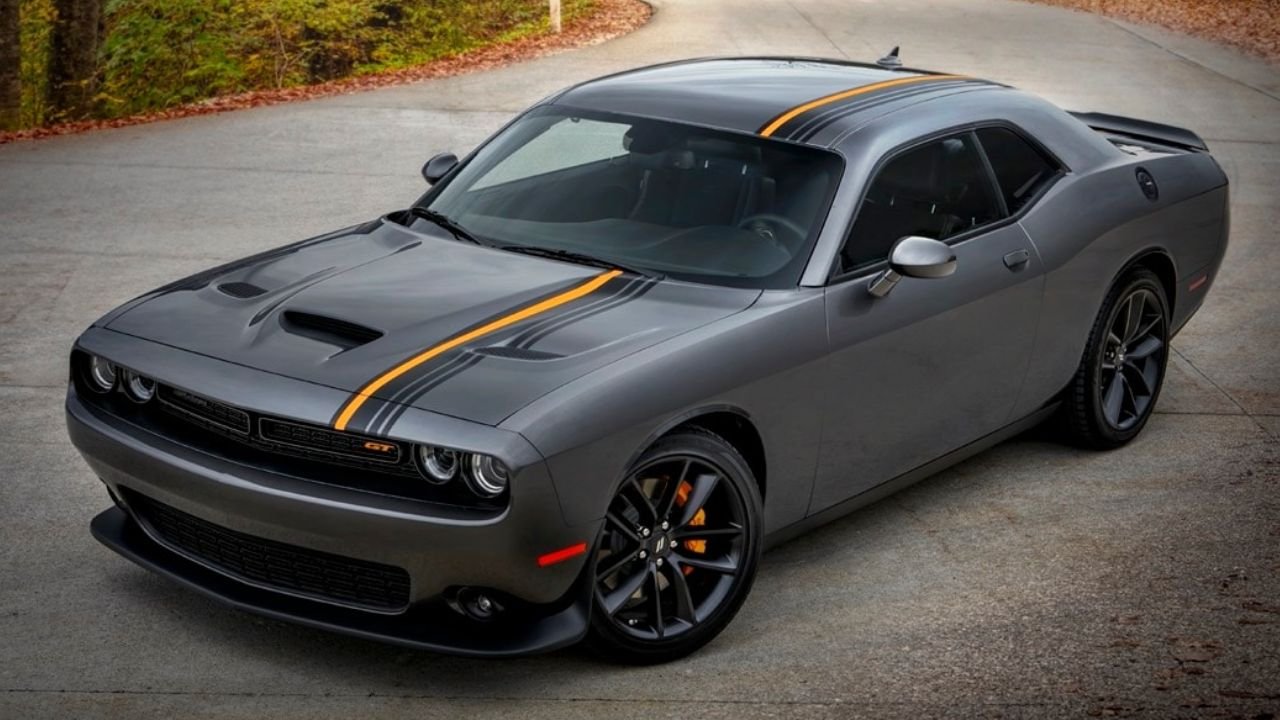
Let’s settle this right away: Dodge is not going out of business. Yes, you read that correctly. There have been rumors, wild tweets, and countless YouTube videos about the beloved muscle car brand “shutting down.” But the real story looks pretty different once you dig into recent news.
People hear about a car getting dropped or an older model being cut, and panic sets in. That’s normal—even understandable—because Dodge has been around for more than a hundred years. The confusion isn’t helped when headlines only mention “discontinued models” and leave out what’s actually happening inside Dodge’s lineup.
This article gives you the rundown, clears up the confusion, and lays out exactly where Dodge stands as of 2026. We’ll talk about the SUVs, the muscle cars, a canceled model, and what the Stellantis parent company is planning next for Dodge.
Recent Developments in Dodge’s Lineup
Let’s start with new launches and awards. Chrysler and Dodge’s big parent company, Stellantis, has not been shy about touting their new Charger lineup. They have muscle, electric power, and even new V6 engines.
Still, not every car has survived. Dodge did choose to discontinue the Dodge Hornet, which had been a compact SUV built in Italy. Production stops in the summer of 2025, mostly because of tariffs on imported vehicles. That story is actually about trade, not a sign the brand is folding.
Dealers have begun offering serious discounts on remaining Hornets, from the 2023 to 2025 model years. Warranty support remains in place, so customers don’t have to worry about getting stranded. The Hornet’s twin, the Alfa Romeo Tonale, will stay on sale overseas and even gets a refresh in 2026. Only the plug-in hybrid version of Tonale is going away in North America.
Don’t get confused by all the headlines. Having a model dropped from the lineup is normal for car companies. Ford axed its sedans a few years back. Toyota changes up its hybrid lineup all the time. Automakers have to react to policy and the market. Dropping the Hornet is about avoiding steep taxes on imports—not a secret plan to close the doors.
Focus on Key Models
After the Hornet, what’s left? The heart of Dodge’s lineup now sits with two models: the Durango SUV and the Charger sedan. Both are known for brawny powertrains and that classic muscle car feel.
The Durango, especially in the Hellcat trim, offers as much as 710 horsepower—enough to out-accelerate some sports cars. For families who want a practical hauler but still like to have fun, this is pretty much one of the last SUVs that offers true muscle performance.
Then you have the Charger. The 2026 Charger lineup is actually bigger than it looks at first glance. Three different powertrains are on offer: a gasoline-powered SIXPACK inline-six engine cranking out 550 horsepower, an all-electric Daytona model with up to 670 horsepower, and additional trims throughout the lineup. Every Charger new for 2026 arrives with standard all-wheel drive, which is a first for the model.
Awards are starting to pile up for the new Charger. It won the 2026 North American Car of the Year at the Detroit Auto Show, which is about as big as it gets for a new car. The Detroit News/Free Press also selected it as a top full-size car, and TopGear.com loved the new electric version. Models will start under $55,000 for customers looking for an affordable option in this segment.
Stellantis’ Strategy for Dodge
You may wonder if Dodge is just holding on or if Stellantis (the world’s fourth-biggest automaker by sales) has a bigger plan. Turns out, there’s real money and effort going into Dodge’s future.
Stellantis’ U.S. branch (once called FCA US) reported a 4% bump in fourth quarter U.S. sales, which is significant given the wider market slump. About 332,000 new vehicles sold in just three months is a big number, even for a big company.
Stellantis recently announced a $13 billion investment plan for North American production and sales, and Dodge stands to benefit from that. There is serious behind-the-scenes movement, including hiring for Michigan assembly plants and parts distribution centers.
A lot of attention has landed on Dodge’s decision to revive HEMI V8 engine production in Michigan by summer 2026. These aren’t the old, pollution-heavy V8s you remember from the 1960s. Today’s HEMI V8s meet tighter emission standards and are planned as limited-run powerplants for the Charger and Challenger. That means muscle car fans will still have a roaring engine option, but new hybrid and electric versions will run alongside the gasoline models.
For people who want gas and electric choices, the Charger is offering both. The Hurricane inline-six engine is sticking around, too, showing Dodge is spreading out its bets across several engine types.
Future Prospects and Market Positioning
For years, muscle cars have defined what Dodge means to drivers. No one is trying to hide from that. The current plan is to stay loyal to those roots, even while adding electric power to the classic mix.
Industry policy has shifted, especially as the federal government starts encouraging electric cars and stricter gas mileage rules. Instead of running away from those trends, Dodge has branched out with the electric Charger “Daytona” and more flexible engine offerings. At the same time, they are making sure muscle fans still have powerful gas-powered options. You can pick what fits you best.
While some rivals have dropped V8s or gone all-in on electrics, Dodge says in interviews that its identity will still be “muscle” first—even if that means pulling electrons instead of gasoline. No one inside the parent company is saying this is the end. In fact, Dodge has more models planned and keeps winning awards. The move to electric and hybrid isn’t unique to Dodge; every automaker is dealing with that same puzzle.
If you are thinking about car news as a business watcher, you might check brands’ stability signals. Right now, all signs from Stellantis point to steady investment. Dealers still get new product allocations, advertising still runs, and Dodge still appears at key international auto shows.
If you’re curious about growth, some industry sites, including resources like Start Business Page, have pointed out that Dodge remains a solid niche player in the U.S. and does not face the same risk as smaller, underfunded brands.
We’re not ignoring reality, though. The end of models like the Hornet or even talk about slow sales of plug-in hybrids like the Tonale does mean changes for local factories and dealers. But the big picture for Dodge is stability, not retreat. Stellantis is adjusting its playbook as tariffs and government rules shift. That’s what smart companies do to stay alive in a choppy market.
Conclusion
It’s easy to see why internet rumors spread so fast when a familiar car goes away. A quick look at the facts, though, shows Dodge is staying open for business.
Recent moves—including new model launches, engine revivals, and award wins—show us the brand plans to stay competitive. Yes, the Hornet is gone, but that’s about trade policies, not some secret bankruptcy.
Dodge’s classic muscle car style isn’t vanishing anytime soon. U.S. sales are strong, there’s fresh investment, and the future will include both gasoline and electric options for buyers who want real power or new technology.
In short, don’t count on Dodge vanishing from the blacktop. Instead, expect to keep seeing that familiar logo in showrooms, review magazines, and maybe your neighbor’s garage for years ahead. For now, Dodge isn’t shutting down—just tuning up for a new kind of muscle car era.
Also Read:
