

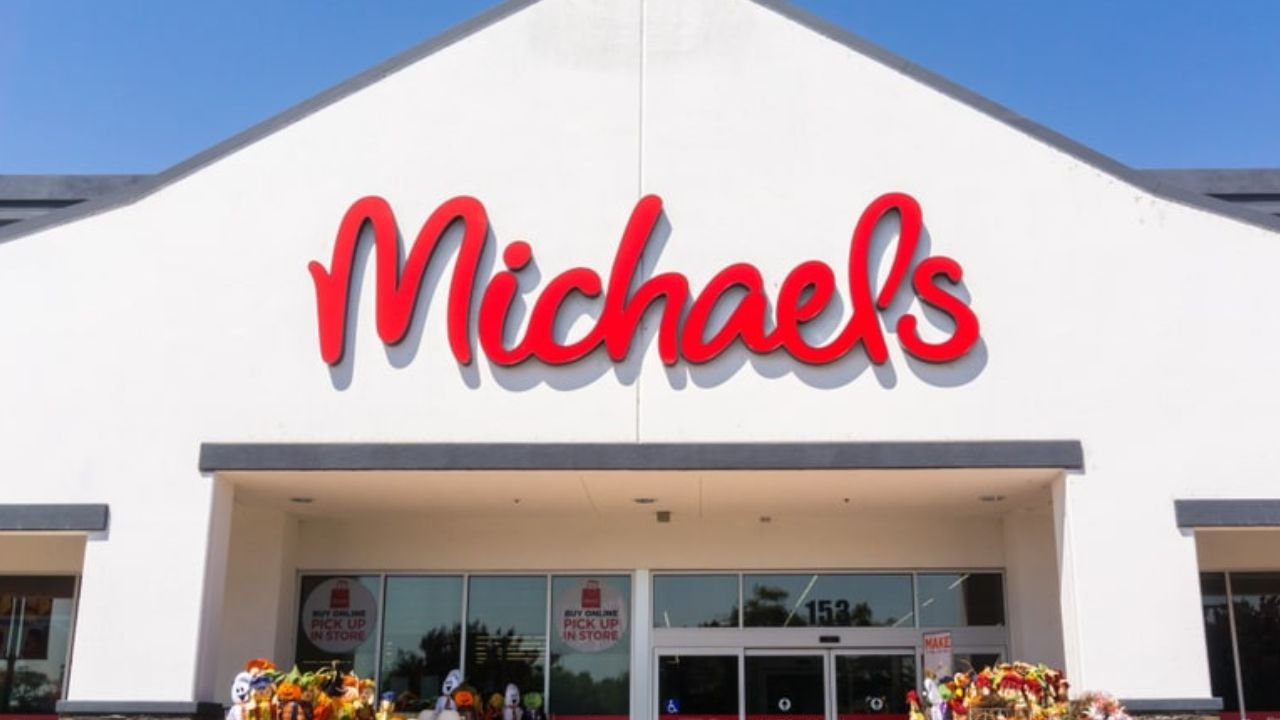
If you’ve been wondering, “Is Michael going out of business?” you’re definitely not alone. There’s a swirl of confusion out there, especially because people sometimes use “Michael” to refer to the fashion brand Michael Kors, and other times they mean Michaels, the arts and crafts chain. Here’s what’s actually going on—broken down in plain English.
The Mix-Up: Michael Kors vs. Michaels
First, let’s get our Michaels straight. Michael Kors is a high-end fashion brand. Think handbags, watches, shoes—the whole luxury vibe. Michaels, on the other hand, is the arts-and-crafts store you go to for yarn, picture frames, and everything for your next DIY project.
There’s a lot of business news about both these “Michaels” lately. One is seeing solid growth, and the other is getting pulled into some headlines due to a bankruptcy filing—but not their own.
So, Is Michael Kors in Trouble?
The short answer is no—Michael Kors is not going out of business. The luxury fashion label, under the parent company Capri Holdings, is very much alive and kicking.
Lately, Michael Kors is mentioned in news about Saks Global’s bankruptcy. That’s because Capri Holdings, which owns Michael Kors, is on a list of creditors—meaning they’re owed money by Saks Global, not the other way around.
If that’s already a lot of business terms, let’s keep breaking it down.
Michael Kors’ Financial Health and Ties to Saks
Capri Holdings—Michael Kors’ parent company—found itself involved when Saks Global (the parent company behind Saks Fifth Avenue, Neiman Marcus, and Bergdorf Goodman) filed for bankruptcy. But Michael Kors itself? They’re not filing for bankruptcy, they’re just one of the many companies waiting to get paid by Saks.
Think of it like this: Saks Global owes Michael Kors about $33 million. But that’s a drop in the bucket compared to creditors like Chanel and Kering (parent of Gucci), who are owed even more.
From all available reports, Capri Holdings and Michael Kors remain stable. No sign of closures, mass layoffs, or store liquidations. They’re just another name on a long list of people and companies owed money when Saks Global hit a rough patch.
Saks Global: The Real Bankruptcy Story
The real fireworks are over at Saks Global. In January 2026, Saks Global filed for Chapter 11 bankruptcy in a federal court in Texas. This move covers famous department stores: Saks Fifth Avenue, Neiman Marcus, and Bergdorf Goodman.
Why? Saks Global took on a massive load of debt—more than $2.7 billion—after buying Neiman Marcus in 2024. That deal was supposed to create a retail powerhouse, but instead, it stretched their finances well beyond comfort. Their suppliers started seeing late payments, sometimes up to 41 days behind schedule.
The bankruptcy documents show Saks Global owes over $700 million just to its top 30 unsecured creditors. Capri Holdings, parent company for Michael Kors, is part of that group, but there’s nothing unusual about a supplier being on this list in a bankruptcy case.
What’s a Bankruptcy Creditor Anyway?
When a company like Saks Global files for bankruptcy, they’re asking the courts for help restructuring their debts. Creditors—like Michael Kors—wait in line for payouts. Some, called “secured creditors,” are first in line and more likely to get their money back. Others, called “unsecured creditors”—like Capri Holdings—are further down and have to wait and see what’s left.
This means Capri Holdings probably won’t get their entire $33 million back, but that’s the risk of doing business on credit with big department stores. And for a major fashion house, that setback doesn’t mean they’re in trouble overall.
Michael Kors Is Holding Strong
For now, Michael Kors seems to be weathering the storm just fine. The brand is still operating in over 100 countries, with their signature handbags and shoes flying off shelves as usual.
Capri Holdings, which also owns Versace and Jimmy Choo, continues doing business as usual. Their management, including James Kors, keeps rolling out new collections and marketing campaigns. They’re still opening new stores and investing in digital retail, trying to reach more shoppers and keep up with evolving trends.
So if you’re a fan of Michael Kors—whether as a shopper, shareholder, or just a curious browser—there’s no practical reason to worry about the brand vanishing any time soon.
Michaels the Craft Store: Growing, Not Closing
Now let’s switch over to the other “Michael”—Michaels, the crafts and art supplies giant. If you’re picturing glue sticks, ribbons, and all those holiday decorations, this is the Michaels we’re talking about.
Far from going out of business, Michaels is actually picking up speed. In 2024 and 2025, some rivals (like Joann Fabrics and Party City) struggled and ended up closing stores or filing bankruptcy. Michaels saw an opportunity and acted fast.
Michaels scooped up the intellectual property and some assets from Joann Fabrics and Party City. That allowed them to add more products: now you can get party supplies, balloons, fabrics, and even floral arrangements under one roof.
This expansion is pretty strategic. Since fewer competitors are left in the crafts world, Michaels is stepping in to fill those gaps. They’re betting that new categories will attract more families, teachers, and hobbyists specifically looking for those items.
On top of that, Michaels has invested in faster delivery options, online ordering, and exclusive product lines. They know they can’t just be “the place for yarn”—they want to be the one-stop craft shop, in-store or online.
Michaels’ Fresh Approach: Filling Empty Shelves
Think about the last time you tried to get party supplies or fabric. With Joann closing locations and Party City downsizing, there’s less choice. Michaels is moving quickly to pick up that slack.
They’re also helping their bottom line by launching exclusive kits and ready-to-make projects, which usually carry higher profit margins than regular supplies. That means, if you want, say, a birthday party kit, you can get everything in one visit—and Michaels makes more per transaction.
Plus, Michaels is boosting its online presence. More people are shopping online than ever, so features like curbside pickup, digital coupons, and same-day delivery have become pretty important.
Comparing Michael Kors and Michaels: Two Different Stories
It’s easy to see why some folks might mix up the two brands, at least in casual conversation. Both are called Michael/Michaels, both have a wide reach, and both have headlines with the word “bankruptcy” floating around.
But when you look closer, the details are clear. Michael Kors, the fashion label, is not going out of business or closing stores. They’re simply owed money by a retailer that ran into trouble.
Michaels, the crafts chain, is also not going out of business. In fact, they’re expanding—stepping in where weaker rivals have left holes in the market. They’re finding new customers by figuring out what products people can’t get anywhere else nearby.
Meanwhile, the bankruptcy that made headlines actually belongs to Saks Global, which owns high-end department stores but not either Michael Kors or Michaels.
Here’s What Matters for Shoppers
If you’re a loyal Michael Kors shopper worried about discounts being a sign of doom, relax. The brand is doing “business as usual” and isn’t heading for closure. Their stores are still stocked, and the next season’s bags and watches are on the way.
If you’re a Michaels customer, the news is even brighter. You might notice some new products or in-store displays soon. That extra selection comes from the company’s push to grow while former competitors fold.
And if you’re following the news because you want to start a business or just keep up with major retailers, you can find helpful tips at StartBusinessPage.com, which offers advice and updates on topics like expansion and market strategy.
The Takeaway: No “Michael” Is Going Away—Just a Lot of Big Retail Reshuffling
So, here’s the bottom line. No, Michael Kors is not going out of business. They’re just a creditor in a big bankruptcy mostly affecting stores like Saks Fifth Avenue, not the Kors brand itself. Michaels, the craft retailer, is thriving and using smart strategies to win over customers left behind by failing rivals.
Retail can get complicated fast—especially when one bankruptcy pulls in big household names as creditors. But from what anyone can see right now, both Michael Kors and Michaels are here to stay, and Saks Global is the one trying to work its way out of financial trouble.
If you want to keep an eye on either “Michael,” you’ll probably hear more about new collections than any coming closure. Expect to keep finding both brands in malls and shopping centers near you. Business buzzwords aside, they’re both sticking around for now.
Also Read:
