

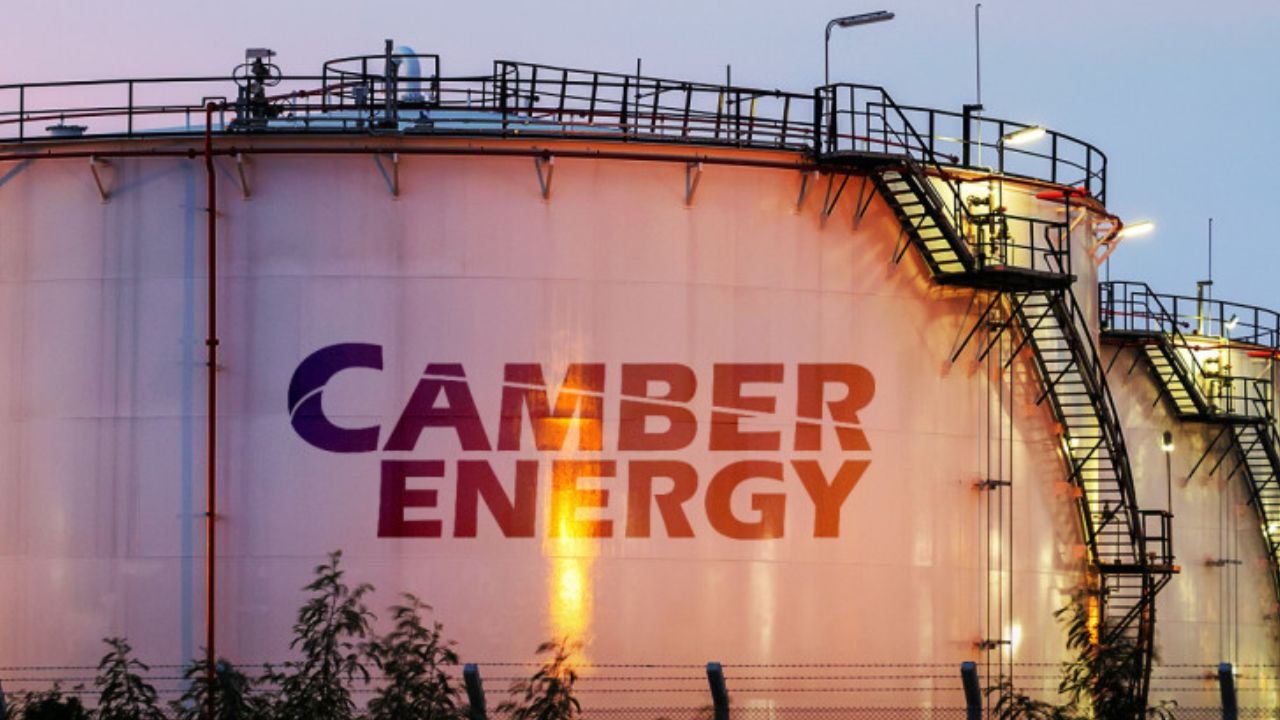
If you’ve seen Camber Energy in the headlines this year, it probably wasn’t for great news. The Texas-based energy holding company has faced some pretty serious financial challenges. People are asking: is Camber Energy about to shut down? Let’s break down what’s really going on, including the latest numbers, recent developments, and what investors should actually pay attention to.
The Tough Part: Camber’s Big Financial Struggles
Let’s start with the hard facts. Camber Energy lost a lot of money last year. For the nine months ending September 30, 2024, Camber had $23.2 million in revenue, but it finished that stretch with a $64.9 million net loss. That loss was mostly thanks to a huge $34.9 million goodwill impairment tied to the Viking Energy merger, plus rising operating costs.
It didn’t really get better as 2025 rolled out. In their Q3 2025 financials, Camber reported another net loss of $5.35 million. Dragging results down further, there was a $3.73 million non-cash impairment after ESG Clean Energy LLC filed for bankruptcy. These aren’t just minor balance sheet hiccups—they’re serious reasons for concern.
The company’s balance sheet didn’t inspire much confidence either. At the end of September 2024, Camber had a $32.6 million deficit in stockholders’ equity and a $15.2 million working capital deficit. Long-term debt sat at $39.7 million. Management put it straight in their filings, saying these numbers raise “substantial doubt” about their ability to keep going.
If that wasn’t enough, Camber’s stock is off the NYSE American. It was delisted for failing to meet the exchange’s price and compliance rules. Now, shareholders buy and sell Camber Energy on over-the-counter markets (OTC), where it’s generally harder for smaller investors to trade, and there are fewer rules about transparency.
Recent Moves: More Than Just Treading Water
But here’s the thing: Camber Energy isn’t shutting its doors. At least not yet. In fact, some recent changes suggest they’re still planning to stick around—maybe not in top shape, but still functioning.
Back in April 2025, management restructured the ownership of Simson-Maxwell, a company under Viking Energy (which Camber owns). Camber’s direct stake in Simson-Maxwell dropped to 49%. As a result, Camber booked a $6.17 million deconsolidation gain. That’s not the same as true profits, but it gave them some accounting breathing room.
They’re also reworking debt. On April 7, 2025, Camber took $1.2 million of debt and changed it into a convertible note. It now matures in September 2026. “Convertible” just means that the debt holder could possibly swap that debt for Camber shares down the line, which can affect share counts and dilute current shareholders, but it relieves some short-term financial stress.
Operationally, it’s not all grim. Revenue for the power generation segment stayed steady at $23.1 million over those nine months. The company’s cash burn from business operations also showed improvement: it used $1.45 million, which is better than the $4.84 million it burned through the previous year.
By August 2025, there were no bankruptcy filings, no shutdown announcements, and management was still describing Camber Energy as a “going concern.” That said, “going concern” is accounting speak for “not dead yet, but we’re keeping an eye on things.”
Flashbacks: Camber’s Rough History Isn’t New
None of this is brand new for Camber. They’ve spent the last few years moving from one hurdle to another. If you look at headlines from 2021, you’ll see the company was hit with a class-action lawsuit. Investors argued that Camber and its management had over-hyped the prospects of their Viking Energy merger, failed to file proper documents, and let share dilution get out of hand. The lawsuit shined a light on how shaky things behind the scenes really were.
Before that, Camber was also losing money—just smaller amounts. Take an earlier period, for example. Net losses totaled $22.3 million, and cash flow often swung negative. You might notice a pattern: Camber Energy’s long-term struggle has been about keeping enough cash and confidence around to buy another quarter, not raking in blockbuster profits.
A Company That’s Down, But Not Out (Yet)
So with that context, where does Camber Energy stand? The answer: it’s not out of business. But it’s a long way from being a healthy company.
The main thing keeping Camber on its feet is a mix of stubborn management and constant financial tweaks. Restructuring ownerships, shifting around debt, and booking non-cash gains are all short-term strategies. They aren’t fixing Camber’s bigger problems, but they give the company some time to maneuver.
We should also mention: The environment for smaller energy companies in the US is tough right now. Operational expenses are up, capital is harder to raise—especially after leaving a major exchange like NYSE American. Trading on the OTC markets, Camber has far less exposure to institutional investors, and liquidity just isn’t the same.
Risks Investors Can’t Ignore
If you’re holding Camber shares or thinking about buying them at bargain-basement prices, there are a few things you really need to think about.
First, derivative liabilities and convertible debt could lead to further dilution of stockholders. That just means your slice of the company might get even smaller. There’s always the risk that more debt is swapped for shares, piling pressure on the share price.
Liquidity is a major problem. With working capital still in the red, Camber’s ability to pay short-term obligations is shaky. Any sudden expense or revenue slip could tip things into even rougher territory.
Keep in mind, impairment trends—like the big hit from ESG Clean Energy’s bankruptcy—will probably stick around. Even if assets look “valuable” one quarter, there’s no guarantee they’ll hold up on the books next time around.
Investors should not expect a quick turnaround. Camber’s earnings, impairments, lawsuits, and ongoing SEC filings paint a picture of a business taking it one quarter at a time, hoping for a break. If you’re seriously considering investing or holding shares here, it’s smart to monitor every new SEC filing, restructuring plan, or impairment note as soon as it comes out.
There are a lot of resources out there for tracking public companies and ongoing business risks. For example, Start Business Page tracks updates and news on smaller, often overlooked companies like Camber Energy. It’s worth checking out if you want current insights and filings.
How to Think About Camber Energy’s Future
Is Camber Energy going out of business? The short answer: No, not as of September 2025. They’re still operating, signing deals, shuffling assets, and moving cash around to keep the company running.
But we can be honest—without a major change in their revenue stream, a cash injection, or a partner swooping in to help, Camber isn’t out of trouble. The company is doing the business equivalent of treading water. If you’re a shareholder or a curious market watcher, keep a close eye on the next round of financials, watch for new restructuring moves, and look for updates about their debt and key assets.
Camber Energy’s story this year is one of survival, not growth. The company is still facing substantial risk—especially if costs climb, more assets get written down, or they run into another unexpected lawsuit or compliance issue. Every quarter, Camber buys itself a little more time, but the path to a healthier or more profitable future is still pretty unclear.
At the end of the day, Camber Energy isn’t gone yet. The business is still in the fight. But it’s fighting just to stand still—and that’s exactly why so many investors and industry watchers are keeping this company on their risk radar.
Also Read:
