

If you’re reading this, you probably heard some rumor that Fitbit is going out of business. Maybe someone posted about it in a Facebook group, or a family member mentioned something they heard. The truth is, this keeps popping up. But the real answer is pretty straightforward: No, Fitbit isn’t going out of business.
So, what’s happening with Fitbit, and where is it headed next? Here’s a grounded look at what’s real, what’s changing, and what to expect if you rely on Fitbit for tracking your steps or sleep.
Where Fitbit Stands Right Now
Fitbit is still alive and well. It’s no longer an independent company, though. Google officially bought Fitbit back in January 2021, folding it into its hardware team. So if you see changes, it’s mostly because Google, not original Fitbit leadership, is now steering the ship.
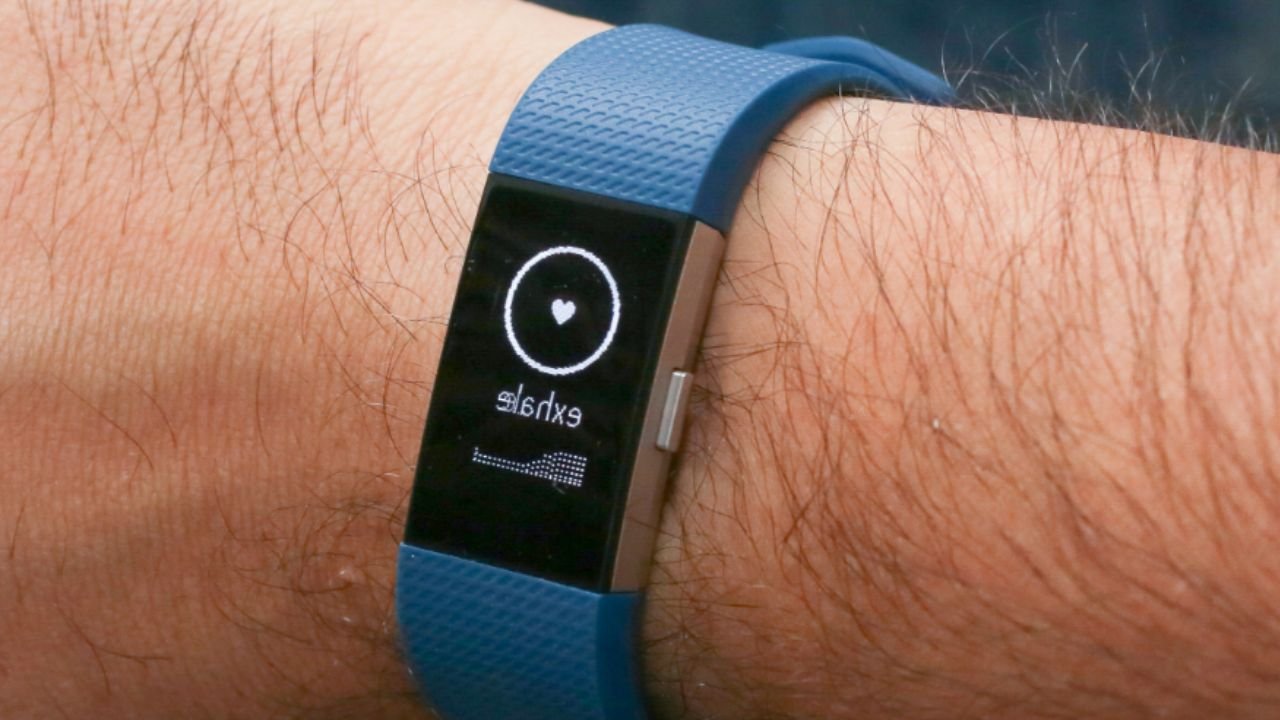
In stores and online, you can still buy Fitbit trackers like the Charge 6 or the Inspire 3. These products are still supported, updated, and advertised—something you wouldn’t see if the brand was shutting down.
Big Plans for 2026: New Fitbit Products on the Way
One thing shutting down brands don’t do: announce new hardware. Yet in mid-2024, Google confirmed it’s prepping new Fitbit-branded fitness trackers for release in 2026. That’s a long heads-up, probably to calm nerves after a quiet period with no totally new trackers since 2023’s Charge 6.
The announcement came during previews of “Fitbit Coach.” That’s an upcoming fitness coaching feature powered by Google’s own AI (Gemini), planned for a late 2025 rollout. Fitbit Coach promises AI-driven workout guidance, tailored plans, and real-time feedback, all connected with your Fitbit stats. Google called 2026 an “exciting year ahead,” not something you declare if you’re winding down a business.
While Google didn’t leak specs, it looks likely we’ll get a successor to the Charge line. The Charge 6 is still a top seller, especially because it gives you seven days of battery life, GPS, and heart-rate tracking, usually for well under $100.
There’s even chatter about more ambitious ideas, like a Fitbit smart ring to rival the Oura or Samsung’s Galaxy Ring—though, for now, that’s just speculation from the community.
Fitbit’s Hardware: What’s Still for Sale?
You can still walk into a store, pull up Amazon, or check Google’s official store and buy a brand-new Fitbit. The Charge 6, which came out in September 2023, is widely available and regularly gets price cuts to make it more appealing, usually under $100 or £100.
The Inspire 3, released in 2022, remains a strong budget choice for people who want automatic sleep tracking, step counts, and basic health features without spending hundreds. These trackers stand out for their lightweight build, slim profile, and multi-day battery—which the Pixel Watch, Google’s full smartwatch, currently can’t match.
That’s a real selling point for folks who just want a tracker and not a smartwatch. If you use an iPhone, you may also notice Fitbit trackers still work well, while Google’s own Pixel Watch doesn’t play as nicely with Apple’s stuff.
Smartwatches: Some Are Gone, But Fitbit Is Not
One thing that’s true: there was a shakeup in 2024. In August, Google announced it would stop making the “classic” Fitbit smartwatches—like the Versa and Sense series. The reason? As Google puts it, they want to focus all their smartwatch attention on the Pixel Watch line, which sits at a higher price point with more full-featured apps.
But that didn’t mean “goodbye” for Fitbit as a brand. Instead, Google made clear it’s keeping Fitbit for trackers and as a fitness tracking platform. So, if you want a dedicated wearable just to monitor your steps, health metrics, or sleep without notifications or apps, Fitbit remains your go-to.
They’re even overhauling the Fitbit app (that’s the software where you see all your stats and history). A big modern redesign is rolling out, with more features landing in 2026 alongside new hardware.
A Brief Look Back: How Fitbit Got Here
Back in 2007, Fitbit started as a scrappy startup selling clip-on step trackers. By 2015, it was public and had turned millions of people into daily step counters, even sparking workplace challenges and “10,000 steps” competitions.
By the end of 2019, Fitbit had sold more than 120 million devices. But competition from Apple, Samsung, and cheaper rivals carved into profits and growth. The app and devices remained popular, especially for people who didn’t want an Apple Watch or were loyal to Android.
Then Google bought Fitbit for $2.1 billion in 2021, folding it into its wearables division. There was a bit of turbulence. The two co-founders left Google in January 2024, part of broader restructuring as Google aligned Fitbit’s hardware with its own long-term plans.
Google also started migrating features over. Fitbit Pay, the built-in payment system, is now mostly absorbed by Google Wallet (with a few exceptions in regions where Google Wallet isn’t supported).
Still, the core Fitbit apps and trackers hung on. Even as the roster of new hardware slowed after 2023, there was no sign of financial trouble. It was just a classic shift in focus, not a business falling apart.
What the Rumor Mill Keeps Getting Wrong
A lot of the confusion comes from two things—quiet periods without major hardware, and the end of certain smartwatch models. Communities love to speculate, and every time Google retools a Fitbit feature or changes its marketing, someone wonders if Fitbit is about to disappear.
But the evidence points the other way. You can buy new Fitbits today. The platform gets regular updates. And public statements from Google reassure users about ongoing support and new devices in 2026.
People online, especially in forums, swap theories about what’s next—will we see a “Charge 7,” or even a smart ring? Will Fitbit get more social features, or focus purely on fitness science? Google is tight-lipped but clear on two points: they’re still making trackers, and they’re betting on fitness as a long-term business.
How Fitbit Sits Under Google’s Plan
Here’s the truth: Fitbit is less of a “company” and more of a product line and platform inside Google now. That means you might see some branding and design shifts, as Google tries to give the Pixel Watch and Fitbit trackers different roles.
Pixel Watch is for people willing to spend for a full-on smartwatch—lots of apps, voice controls, even replying to messages. Fitbit trackers are for folks who just want reliable, long-lasting health data on their wrist or clipped to a shoe.
The Fitbit app ties it all together, showing your sleep score, heart health, exercise, and stats over time. Google’s big focus recently is on software and AI. That’s why “Fitbit Coach,” using Google’s top-tier AI, is such a centerpiece for what’s coming next.
Fitbit Pay, meanwhile, has merged into Google Wallet almost everywhere. It’s simpler for Google and gives you more payment options, as long as Google Wallet works in your country.
If You’re Already Using Fitbit—Should You Worry?
In short: No, you don’t need to panic or rush to switch brands. Your existing device will keep working. If you own a classic Charge tracker, or the Inspire 3, you’ll get updates and support just like before. Google isn’t rushing to disable old models or force anyone to upgrade.
The Fitbit app will also keep running. Google is investing in a smarter, easier-to-use design for 2026, focused on making your fitness and health data more actionable and clear.
If you’re wondering what to do if you run a small business or fitness community that tracks activity with Fitbit, it’s business as usual—no need to re-register or migrate your data to new platforms.
The Business Perspective—and Financial Reality
Is Fitbit facing financial distress or close to shutting down? Everything points to “no.” Sales are steady. Charge 6 and Inspire 3 continue to sell thanks to price cuts and simple, reliable functionality.
While Fitbit as a standalone business no longer exists, it’s now Google’s fitness tracker arm. The marketing emphasizes how the trackers and Pixel Watch fit together, rather than competing with each other.
Some people expected the end of Fitbit after a two-year hardware gap (since 2023). But with Google’s official statements about new Fitbit hardware in 2026, and big new features in the pipeline, it’s clear the brand isn’t going anywhere.
If you want to keep up with business news about wearable tech, or maybe get tips for offering wellness perks through fitness trackers, check resources like Start Business Page for broader updates.
Looking Forward: What’s Next for Fitbit Fans?
So, for everyone asking, “Is Fitbit going out of business?” the answer remains: no, and not any time soon. You’ll keep seeing Fitbit trackers on store shelves and in gyms everywhere. The brand is sticking around, though it’s changing shape under Google’s direction.
Expect more AI features, more app updates, and new devices sometime in 2026. Fitbit won’t be fading away, but you’ll notice it’s more closely tied to Google’s ecosystem.
At the end of the day, Fitbit has moved from plucky startup to a stable, long-term pillar inside Google’s hardware plans. It’s less about big launches and wild features—more about steady innovation and making your fitness tracking simpler.
If you’re happy with your current Fitbit, keep using it. If you’re watching to see what comes next, there’s good reason to check back in 2026, when a new batch of hardware and smarter software lands. For now, the rumors of Fitbit’s demise are just that—rumors. The tracker you rely on is here for the long haul.
Also Read:
